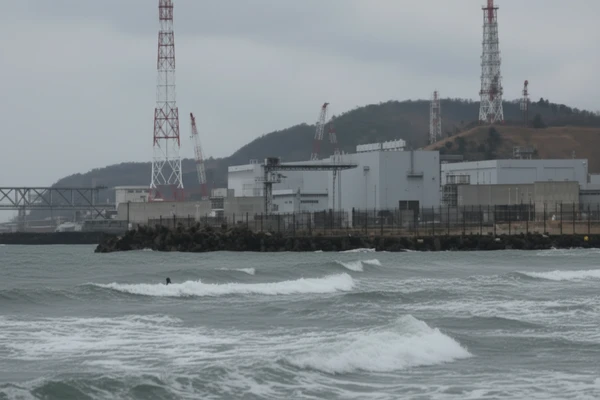
Japan has taken a historic step toward restarting the Kashiwazaki-Kariwa Nuclear Power Plant, the world’s largest nuclear facility, 15 years after the Fukushima disaster shuttered nearly all of the country’s reactors. A decisive regional vote cleared a major political and procedural hurdle, allowing Tokyo Electric Power Company (TEPCO) to proceed toward reactivating at least one reactor as early as January 2026. This move signals a significant pivot in Japan’s energy policy — balancing energy security, climate commitments, and deep public apprehension rooted in past catastrophe.
Fukushima and Japan’s Nuclear Landscape
In March 2011, Japan suffered the Fukushima Daiichi nuclear meltdown following a massive earthquake and tsunami. The disaster crippled multiple reactors and triggered the evacuation of thousands, eroding trust in nuclear energy both domestically and internationally. In response, Japan shut down all its commercial reactors and implemented stringent regulatory reforms intended to elevate safety standards.
Over the past decade, Japan has gradually restarted reactors that met enhanced safety criteria. By 2025, reactors meeting new regulatory requirements had resumed operations in limited numbers, contributing to a rising share of nuclear generation in the national electricity mix. The Kashiwazaki-Kariwa plant, located approximately 220 kilometers northwest of Tokyo, remained offline through political and community resistance until now.
Operated by TEPCO — the utility at the center of the Fukushima crisis — the plant’s restart represents more than incremental capacity growth. With a total capacity of around 8.2 gigawatts, it is technically the world’s largest nuclear facility, capable of powering millions of homes if fully reactivated.
The Restart Decision
On December 22, 2025, the Niigata Prefectural Assembly cast a critical vote of confidence in Governor Hideyo Hanazumi, effectively enabling the Kashiwazaki-Kariwa reactors to proceed toward reactivation. The endorsement was widely seen as the final political barrier to the restart after months of preparation, regulatory alignment, and public debate. Reuters
TEPCO is now planning to restart the first of seven reactors at the plant — a unit with approximately 1.36 GW capacity — potentially as early as January 20, 2026, according to Japanese public broadcaster NHK. Additional reactors could follow in subsequent years as approvals and safety verifications progress.
This decision reflects broader shifts in Japan’s energy strategy. Prime Minister Sanae Takaichi, who took office two months earlier, has placed renewed emphasis on nuclear restarts to reduce dependence on imported fossil fuels — a persistent economic strain that saw Japan spend billions on liquefied natural gas (LNG) and coal in the previous year. The government also faces increasing electricity demand due to industrial growth and power-intensive sectors.
According to energy consultancy Wood Mackenzie, local acceptance of the Kashiwazaki-Kariwa restart could mark a “critical milestone” in achieving Japan’s energy objectives, including its target of nuclear power supplying about 20 percent of electricity by 2040.
Economically, the restart is expected to moderate energy prices and stimulate local investment. TEPCO has pledged significant funds over the next decade to support community and economic development as part of efforts to rebuild trust.
Analysis: Security, Climate, and Policy Implications
Japan’s decision to pursue a full-scale nuclear restart at Kashiwazaki-Kariwa offers a key case study in how advanced economies reconcile energy security, climate objectives, and public distrust. Since Fukushima, regulatory frameworks have tightened substantially — influenced by both domestic reforms and international safety benchmarks.
From an energy security standpoint, nuclear power provides a stable base load that offsets volatility in global fossil fuel markets — a critical factor for Japan, which lacks significant domestic hydrocarbon resources. The restart reduces vulnerability to supply disruptions and long-term price fluctuations. Nuclear also contributes to emissions reduction objectives, offering near-zero operational greenhouse gas output, which aligns with global climate commitments despite ongoing debates about waste and decommissioning challenges. International Energy Agency
However, the long shadow of Fukushima continues to shape public perception. Surveys indicate significant distrust and safety concerns among local residents, with protesters gathering during the Niigata decision-making process to voice opposition. Many cite psychological trauma, potential seismic risk, and doubts about evacuation preparedness as central fears.
Critics also argue that nuclear restarts do not preclude investment in renewables, which have steadily grown in capacity within Japan’s energy mix. However, policymakers emphasize nuclear’s role as a complement, not a replacement, in achieving a resilient and diversified energy portfolio.
Public, Political, and Expert Voices
Public reaction in Niigata was sharply divided. Outside the prefectural assembly, around 300 protesters carried banners expressing anti-nuclear sentiment and concern for future safety. This reflects the enduring legacy of the Fukushima event and the deep emotional impact it continues to hold for many residents.
Within the political sphere, Governor Hanazumi framed the assembly vote as a responsible step forward but acknowledged the need for continuous engagement on safety and community concerns. “There is no end in terms of ensuring the safety of Niigata residents,” he said, emphasizing ongoing commitment to robust precautions.
Experts offered measured perspectives. Energy analysts noted that restarting Kashiwazaki-Kariwa reflects pragmatic planning amid geopolitical uncertainties in global energy markets. As fossil fuel costs fluctuate and supply chains face disruption, nuclear power’s reliability is increasingly attractive for industrialized nations seeking low-carbon stability.
International observers, including the International Atomic Energy Agency (IAEA), have previously inspected the Kashiwazaki-Kariwa site and affirmed significant safety improvements, providing external validation of regulatory compliance and operational readiness.
Global and Local Impact
Japan’s nuclear restart carries implications beyond its borders. For global energy markets, increased nuclear generation in a major industrial economy could temper demand for imported fossil fuels, influencing pricing dynamics for LNG, coal, and oil. It also underscores the continuing relevance of nuclear energy in the discourse on climate mitigation, particularly for high-demand nations balancing emissions targets against reliability requirements.
Regionally, if successful, Kashiwazaki-Kariwa’s reactivation could serve as a model for other countries with dormant nuclear capacity — especially those grappling with energy security and climate goals.
Locally, the restart represents both economic opportunity and social risk. Niigata communities stand to benefit from jobs, infrastructure investment, and energy cost stabilization. Yet, the psychological legacy of Fukushima complicates acceptance, highlighting the enduring need for transparent risk communication, emergency preparedness, and stakeholder engagement.
Conclusion
Japan’s move to restart the world’s largest nuclear power plant is a defining moment in the nation’s energy evolution — reconciling lessons from Fukushima with future energy, economic, and climate imperatives. As TEPCO advances toward reactivation and authorities reinforce safety frameworks, Japan’s approach will be closely watched by governments, industry, and civil society worldwide. The delicate balance between energy security and public trust will remain at the heart of this historic transition.
Further Reading
- Green Card Lottery Suspension — GSN coverage of U.S. policy changes affecting immigration pathways.
- Bondi Beach Shooting, Australia — GSN feature on a major public safety incident with global reactions.