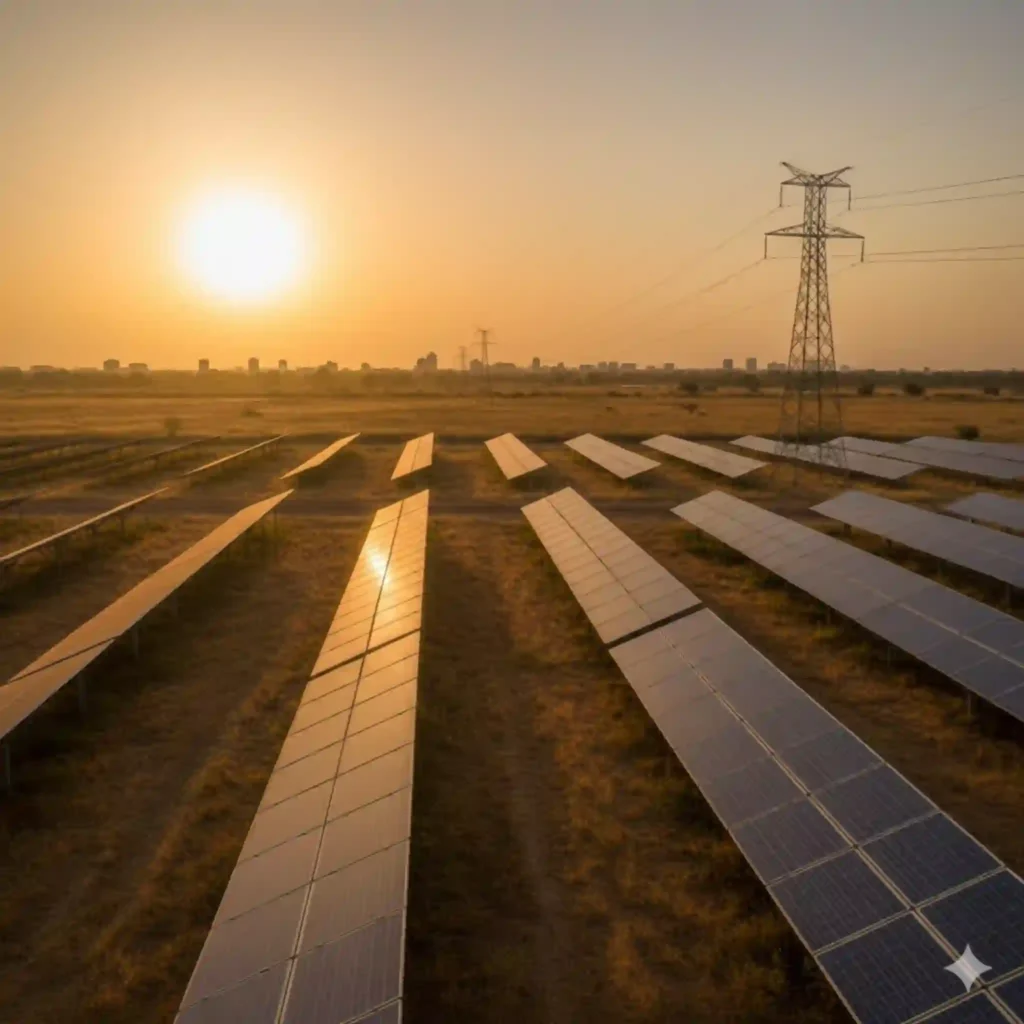
For decades, energy insecurity has been the Achilles' heel of West African economic development. However, the inauguration of the Northern Savannah Solar Park this week marks a definitive shift in the narrative. Ghana Solar Energy 2025 is no longer just a policy framework; it is a tangible reality that is reshaping the region's power dynamics.
As the ribbon was cut in Tamale yesterday, the hum of the grid signaled more than just electricity; it signaled stability. This massive infrastructure project, the result of a public-private partnership involving the African Development Bank and European green tech firms, aims to add 600 megawatts (MW) to the national grid. But beyond the megawatts, the implications for trade, climate compliance, and the cost of living are profound. This article explores the depth of this transition and its ripples across the ECOWAS sub-region.
From Akosombo to the Sun
To understand the significance of the Ghana Solar Energy 2025 initiative, one must look at the historical context of Ghana’s energy sector. Since the 1960s, the country has relied heavily on the Akosombo Dam. While hydroelectric power provided a foundation for post-independence industrialization, it also created a dangerous dependency on rainfall patterns.
The crisis years of "Dumsor" (persistent load shedding) in the mid-2010s exposed the fragility of this system. Droughts reduced water levels, and thermal plants meant to fill the gap struggled with the volatility of global gas prices. The need for diversification became undeniable.
In 2019, the Renewable Energy Master Plan (REMP) set ambitious targets, but implementation was slow due to financing bottlenecks. It wasn't until late 2023, following the Global Climate Finance Summit, that capital flows unlocked the potential for large-scale solar. Today, the operationalization of these solar parks represents the culmination of a decade-long struggle to de-risk the energy sector and pivot toward renewables.
The Northern Savannah Solar Park
The core of the Ghana Solar Energy 2025 roadmap is the utilization of the country’s northern belt, which enjoys some of the highest solar irradiation levels in West Africa. The newly commissioned facility covers over 1,200 acres and utilizes bifacial solar panels, which capture sunlight on both sides, increasing efficiency by up to 20% compared to traditional models.
Reports from the Ministry of Energy indicate that this facility is integrated with a new Battery Energy Storage System (BESS). This is a game-changer. Previously, the intermittency of solar—the fact that it doesn't generate power at night—limited its utility for baseload power. The BESS allows excess energy generated during peak sun hours (10:00 AM – 3:00 PM) to be stored and deployed during peak demand hours in the evening.
Furthermore, the Electricity Company of Ghana (ECG) has upgraded the transmission lines connecting Tamale to the southern industrial hubs of Kumasi and Accra. This reduces transmission losses, which historically accounted for nearly 25% of generated power, ensuring that the output reaches the consumer.
Related Analysis: While energy infrastructure grows, other sectors are also booming. Read our report on how Ghana’s gold exports hit record levels in 2025, providing the fiscal space for these large-scale investments.
Key Stat: The new solar infrastructure is expected to reduce Ghana’s reliance on thermal fuel imports by 15% in the first operational year alone.
Economic and Technical Implications
The shift toward solar is not merely an environmental choice; it is a calculated economic strategy. Here is an analysis of the financial mechanics behind the Ghana Solar Energy 2025 project.
1. Stabilizing the Cedi through Reduced Imports
Energy generation in Ghana has long been tied to the US Dollar, as fuel for thermal plants is imported. When the Cedi depreciates, the cost of electricity rises, fueling inflation. By sourcing energy from the sun—a free, domestic resource—Ghana decouples a portion of its energy production from forex volatility. This contributes to long-term macroeconomic stability.
2. The Cost per Kilowatt-Hour (kWh)
While the upfront capital expenditure for solar is high, the operational expenditure (OPEX) is significantly lower than thermal plants. Analysis suggests that the initiative could stabilize, and eventually lower, end-user tariffs by 2027 once the initial debt servicing is optimized.
3. Grid Modernization
Integrating variable renewable energy requires a "smart grid." The current development has forced the utility providers to digitize their monitoring systems. This modernization improves fault detection, meaning outages can be pinpointed and resolved faster, boosting overall productivity for businesses.
Reactions: Voices from the Sector
The launch has garnered mixed but largely optimistic reactions from various stakeholders.
Dr. Kwame Asante, Energy Economist at the University of Ghana:
"The Ghana Solar Energy 2025 initiative is the buffer we have needed. It won't solve every problem overnight, but it diversifies the risk. If the rains fail Akosombo, the sun in the North provides a safety net. It is a hedge against climate change."
Sarah Mensah, CEO of Northern Textiles Ltd:
"For industry, consistency is more important than price. If this project guarantees that my factory doesn't shut down three times a week, it is a success. We are cautiously hopeful that the storage systems work as promised."
However, some civil society groups have raised concerns regarding land use. The Savannah Land Alliance issued a statement urging the government to ensure that the land acquisition for these massive solar farms does not displace subsistence farmers without adequate compensation.
Global and Local Impact
The impact of the Ghana Solar Energy 2025 project extends far beyond Ghana’s borders. Ghana is a key exporter of power to neighbors like Togo, Benin, and Burkina Faso via the West African Power Pool (WAPP). By increasing its generation capacity through solar, Ghana positions itself as a net exporter of clean energy.
Globally, this move aligns Ghana with the Paris Agreement goals, making it a more attractive destination for "Green Foreign Direct Investment" (FDI). Investors are increasingly scrutinizing the Environmental, Social, and Governance (ESG) credentials of emerging markets.
See Also: Geopolitical shifts can impact investment flows. Stay updated on international mobility policies, including the recent expansion of the US travel ban, which has sparked debates on global diplomatic relations.
Conclusion
The Ghana Solar Energy 2025 initiative is a landmark achievement in West Africa's journey toward energy sovereignty. By leveraging the region's most abundant resource—sunlight—Ghana is addressing the trilemma of energy security, affordability, and sustainability.
While challenges remain regarding land rights and grid maintenance, the strategic value of diversifying away from fossil fuels cannot be overstated. As the sun sets on the old era of thermal dependence, it rises on a cleaner, more resilient economic future for Ghana.
5 Key Takeaways
- Reduced Forex Pressure: Solar reduces the need for imported gas, helping stabilize the Cedi.
- Storage is Key: New Battery Energy Storage Systems (BESS) allow solar to be used during evening peak hours.
- Regional Export: Ghana is positioning itself to export clean energy to the West African Power Pool.
- Job Shift: The Northern Region is seeing a surge in technical jobs related to solar maintenance.
- Climate Compliance: The project significantly boosts Ghana's adherence to international carbon reduction treaties.