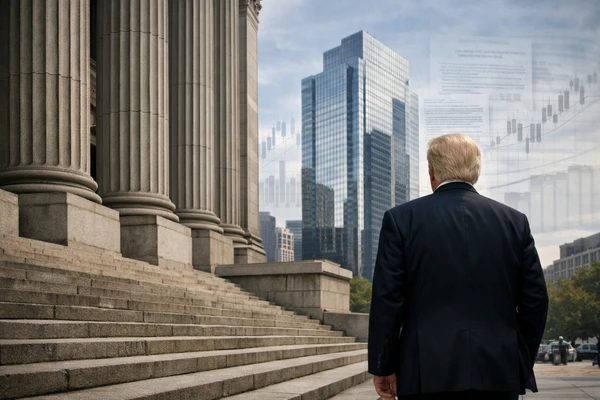
Ghana and China Zero Tariff negotiations have taken center stage after President John Dramani Mahama revealed that bilateral trade between the two nations surged to US$11.8 billion in 2024, representing more than a 7% increase over the previous year. In a televised interview with China Global Television Network (CGTN), Mahama emphasized that the planned zero-tariff framework is “now kicking in” and could unlock unprecedented economic opportunities for Ghana. With China remaining Ghana’s biggest trading partner, policymakers and investors are closely watching how this tariff-free model could transform trade flows, improve competitiveness, and strengthen long-term cooperation.
A Growing Economic Partnership
Ghana and China’s economic ties span decades, rooted in diplomatic cooperation, infrastructure development, and steadily expanding trade. China has played a central role in Ghana’s development financing — from major road networks and energy projects to manufacturing support and technology infrastructure. As Mahama highlighted, China remains Ghana’s largest trading partner and a major source of foreign investment, with bilateral trade reaching new highs in recent years.
The interview comes as Ghana and China mark 65 years of diplomatic relations, a milestone both governments have described as a chance to explore new areas of partnership amid shifting global geopolitical dynamics. Over the years, bilateral cooperation has strengthened, with China supporting Ghana in infrastructure development, industrialisation initiatives, vocational training, and capacity-building programmes. Mahama also praised China’s long-standing commitment to Africa’s modernization agenda, noting that the Asian powerhouse continues to play a crucial role in energy, transport, agriculture, and manufacturing sectors across the continent.
The concept of a Ghana and China Zero Tariff arrangement aligns with China’s broader Africa trade strategy under platforms such as the Forum on China–Africa Cooperation (FOCAC) and its wider zero-tariff offers to African countries. Against this backdrop, Mahama’s latest remarks reflect Ghana’s desire not merely to export raw materials, but to move deeper into value-added trade with China.
Mahama’s Call for Accelerated Implementation
In his CGTN interview, Mahama underlined that bilateral trade exceeding US$11.8 billion demonstrates strong momentum and the potential for further expansion under a zero-tariff regime. He reiterated that “China remains Ghana’s biggest trading partner,” and said this positive trajectory “is expected to continue as the zero-tariff policy is now kicking in.”
Mahama added that the zero-tariff framework would “create a conducive atmosphere for us to grow that trade even more,” framing it as a tool for both short-term trade expansion and long-term economic transformation. His comments also revisited his recent engagements with Chinese President Xi Jinping, where they discussed China’s proposed Global Governance Initiative and deeper cooperation with Ghana at a time of global economic uncertainty.
Mahama identified several priority sectors where Ghana stands to benefit immediately from the Ghana and China Zero Tariff agenda:
1. Agriculture and Agro-Processing
Ghana’s processed cocoa products — such as cocoa powder, chocolate bars, and semi-finished goods — could gain easier entry into the Chinese market under zero tariffs. Similar opportunities exist for cashew products, shea butter, fresh fruits, juices, and canned goods from Ghana’s expanding agro-processing sector.
2. Industrial and Light Manufacturing
China’s vast consumer market presents opportunities for Ghanaian textiles, ceramics, leather goods, and other manufactured products. Tariff elimination could reduce costs and improve competitiveness, encouraging Ghanaian firms to scale production and diversify exports.
3. Technology and Renewable Energy Components
Ghana is expanding its renewable energy sector, and tariff-free access to key Chinese components could significantly reduce costs for local assembly and installation.
4. Standards Harmonisation
Mahama emphasized that while tariff removal is beneficial, standards alignment remains the most critical step. Ghanaian exporters must meet China’s regulatory, packaging, phytosanitary, and labelling requirements to fully benefit from the agreement.
Why Zero-Tariff Access Matters for Ghana’s Long-Term Growth
The Ghana and China Zero Tariff framework carries both immediate and long-term economic implications. For Ghana, removing tariffs provides easier access to one of the world’s largest markets, enabling exporters to scale faster, increase foreign exchange earnings, and expand value-added production.
Economists note that tariff-free access could help Ghana move away from exporting raw materials toward higher-value finished and semi-finished goods.
Additionally, tariff elimination supports Ghana’s industrialisation drive, enabling manufacturing firms to access cheaper imported components while expanding into new export markets.
Challenges exist — including potential pressure from cheaper imports — but analysts generally agree that the opportunities outweigh the risks if paired with strong industrial policy.
Recommended Tools for Exporters & Business Owners
Commercial-grade 4x6 thermal label printer ideal for exporters, SMEs, logistics companies, and global shipping operations.
View on AmazonA fast, convertible laptop perfect for business professionals, exporters, analysts, and entrepreneurs handling online operations.
View on AmazonHigh-capacity USB 3.0 external storage for export documents, trade data, business files, backups, and digital archives.
View on AmazonDisclosure: As an Amazon Associate, Global Standard News may earn a commission from qualifying purchases at no extra cost to you.
Reactions and Expert Commentary
Trade analysts have welcomed Mahama’s comments, arguing that the Ghana and China Zero Tariff agenda could accelerate Ghana’s structural transformation if paired with strong industrial policy and standards alignment.
A University of Ghana economist noted that meeting China’s standards could take 12–24 months but said Ghana could become a leading West African exporter to Asia if compliance frameworks improve.
The Ghana National Chamber of Commerce and Industry (GNCCI) has encouraged government to introduce targeted capacity-building programmes and export financing for SMEs.
Global and Local Impact
Globally, the Ghana and China Zero Tariff agenda represents a deepening of South–South cooperation as global supply chains shift toward more diversified markets.
Regionally, Ghana’s role in AfCFTA positions it as a potential manufacturing and export hub linking Africa and Asia.
Locally, exporters, farmers, and SMEs stand to benefit from increased investment, job creation, and market access.
Conclusion
The Ghana and China Zero Tariff initiative represents a major opportunity for Ghana to expand exports, strengthen manufacturing, and deepen bilateral ties. With trade already surpassing US$11.8 billion, successful implementation could position Ghana as a competitive export hub in West Africa.
Related Stories on Global Standard News
- France Grants Ghana Debt Relief Under G20 Framework
- Cocoa Smuggling Crisis: Ghana Loses ~150,000 Tonnes in 2023–24 Season