The Netflix Warner Bros Deal has triggered one of the most consequential shifts in modern entertainment. Netflix’s announcement of a $72 billion agreement to acquire Warner Bros Discovery’s (WBD) film and TV studios and its streaming division marks a historic moment for Hollywood and global media. This massive move—one of the largest entertainment acquisitions ever—promises to transform the streaming landscape, deepen content consolidation, and redefine how billions of people consume entertainment.
But it also carries risks. U.S. regulators, international watchdogs, Hollywood unions, and industry analysts warn the deal could reduce competition and concentrate cultural influence. As the acquisition moves toward heavy antitrust scrutiny, the global media world is watching closely.
How the Deal Emerged
To understand the Netflix Warner Bros Deal, one must examine the financial pressures that pushed WBD toward this dramatic move. After AT&T spun off WarnerMedia in 2022 and merged it with Discovery, the new company inherited an estimated $37–38 billion in debt. This severely restricted investment in new productions and global expansion.
Meanwhile, the decline of cable television accelerated. Advertising revenues fell, cord-cutting soared, and WBD could not invest at the scale required to compete with Netflix, Disney, Apple, and Amazon. Even HBO Max (later “Max”), despite producing award-winning series, struggled to match Netflix’s global reach.
Netflix, with 300 million+ subscribers in over 190 countries, sought long-term security in premium intellectual property and global franchises. Its push toward more cinematic universes and recurring global hits aligned perfectly with Warner Bros’ century-old library.
This broader wave of industry transformation mirrors technology disruptions seen in other sectors—such as the rise of AI-driven platforms and the emergence of cutting-edge materials like Superwood, which is reshaping manufacturing worldwide. GSN recently reported on this innovation in Superwood Stronger Than Steel: The Next Revolution in Sustainable Materials , showing how industries everywhere are undergoing rapid structural change.
It is within this global innovation environment that Netflix and WBD pursued their landmark merger.
The $72B Agreement Explained
Reports from outlets such as Reuters and AP News confirm that Netflix and WBD have signed a definitive agreement valued at $72 billion in equity and $82.7 billion including debt. The deal will close after WBD spins off its cable networks (CNN, TNT, TBS, Discovery Channel, TLC, etc.) into a new company called Discovery Global in 2026.
What Netflix Will Gain
Under the Netflix Warner Bros Deal, Netflix acquires:
- Warner Bros Film Studios – including franchises such as Dune, Barbie, The Matrix, and Mad Max.
- Warner Bros Television – a vast archive of scripted and unscripted hits.
- HBO / Max Originals – including Game of Thrones, The Last of Us, House of the Dragon.
- DC Entertainment – Batman, Joker, Superman, Wonder Woman and more.
- Warner Bros Animation.
- Cartoon Network Studios.
- A historic film and TV library spanning 100 years of entertainment history.
What the Deal Excludes
The following assets are excluded from the deal and will form the core of the new company Discovery Global:
- CNN
- TNT
- TBS
- Discovery Channel
- TLC
- Food Network
- HGTV and other legacy networks
Timeline
The deal is not yet closed. The current timetable expects:
- Discovery Global spin-off: Mid-to-late 2026.
- Netflix deal closing: Expected in Q3 2026, pending global regulatory approval.
Until then, Netflix and WBD remain fully independent companies.
Antitrust Fears and Industry Impact
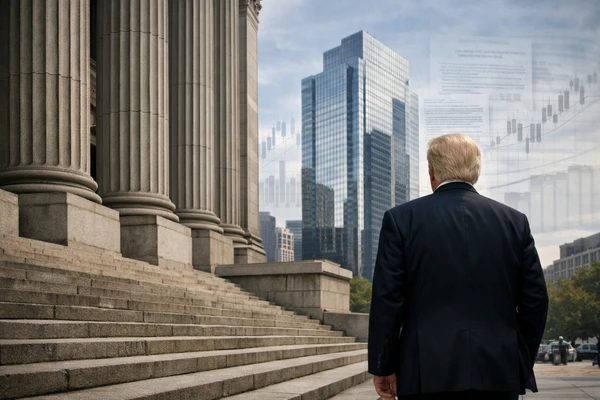
The Netflix Warner Bros Deal faces intense antitrust scrutiny. The U.S. Department of Justice has signaled heightened concern, saying the merger raises serious questions about competition, worker impact, and cultural influence. Regulators in Europe and other regions are expected to examine the deal with equal intensity.
If approved, Netflix would control both the global distribution and production of a vast share of premium entertainment. Combined with the world’s largest streaming subscriber base and a deep library of iconic franchises, this level of consolidation is unprecedented in the streaming era.
Why Regulators Are Concerned
Critics of the Netflix Warner Bros Deal argue that such consolidation could:
- Reduce competition for writers, actors, directors, and independent studios.
- Limit consumer choice by shrinking the number of truly global streaming platforms.
- Increase subscription prices over the long term once rivals are weakened.
- Allow one company to shape cultural narratives on a global scale.
Impact on Hollywood’s Structure
The merger accelerates a trend where a handful of mega-platforms control most of the entertainment pipeline. Rival studios may be forced into mergers, strategic alliances, or aggressive cutbacks to survive.
This dynamic echoes the global technology consolidation currently occurring in AI platforms. GSN recently covered one such clash in Inside the OpenAI Video App Copyright Clash Rocking Global Media , which showed how power concentration in digital ecosystems raises legal and economic concerns far beyond entertainment alone.
Impact on Theatrical Cinema
Film exhibitors fear Netflix may favor streaming-first releases, potentially reducing the number of big-budget films that debut in cinemas. While Netflix has experimented with limited theatrical runs for select films, the acquisition of Warner Bros could tilt its strategy further toward streaming, challenging the traditional cinema model.
Upgrade your entertainment experience as the Netflix Warner Bros Deal reshapes global streaming. These top-rated devices deliver cinema-quality visuals and audio at home.
Stunning 4K clarity with the new Crystal Processor and MetalStream design — perfect for Netflix, HBO, and cinematic streaming at home.
View on AmazonThe fastest and easiest way to upgrade any TV for 4K streaming — ideal for Netflix, HBO, and hundreds of free & live channels.
View on AmazonIndustry-leading noise cancellation, rich bass, and premium comfort — perfect for immersive Netflix and HBO viewing wherever you are.
View on AmazonAs an Amazon Associate, Global Standard News (GSN) earns from qualifying purchases. This helps support our journalism at no extra cost to you.
Political, Industry, and Public Voices
Political reactions to the Netflix Warner Bros Deal have been intense. Many Democrats argue the merger may weaken worker protections and limit cultural diversity, while some Republicans warn it concentrates ideological influence and undermines consumer freedom. Both parties have signaled an unusually high level of scrutiny, reflecting shared concern about excessive corporate power in media.
Hollywood unions, including the Writers Guild of America (WGA), Directors Guild (DGA), and SAG-AFTRA, have raised formal objections. Several union leaders argue the merger risks job cuts, reduced bargaining power, and fewer buyers for creative projects. Some have urged regulators to block the deal entirely, warning it could undermine long-term career prospects for writers, actors, and crew members.
Industry leaders are similarly divided. Studio executives fear Netflix may dominate bidding wars for scripts and talent, while independent filmmakers worry mid-budget films could struggle to find buyers. Theatrical chains fear fewer cinema-first blockbusters as streaming becomes the preferred release strategy for big-budget productions.
Global audiences remain split. Many viewers are excited by the possibility of a unified Netflix + HBO experience on a single platform. Others fear subscription hikes and reduced content variety. In emerging markets—especially across Africa and Asia—viewers hope the deal might accelerate investment in local productions and more inclusive storytelling.
Global & Local Impact: What This Means for the World
Global Consumer Experience
A unified Netflix–Warner catalogue could deliver unmatched depth for home viewers. From blockbuster franchises to award-winning series, consumers may enjoy an extraordinary library under a single subscription. However, fewer strong competitors also risk higher long-term prices and less innovation if Netflix’s dominance becomes too entrenched.
Creative Economy
Netflix’s scale and data-driven production approach could boost global storytelling, particularly in non-English markets. By analyzing viewing habits across continents, Netflix can identify underserved genres and languages, commissioning work that might not have found backing in a traditional studio environment.
Yet the flip side is clear: reduced market competition may limit creative freedom for smaller studios and independent producers, making it harder for unconventional or niche projects to reach mainstream audiences.
Impact on Africa and Ghana
For Ghana and the wider African continent, the Netflix Warner Bros Deal could create new opportunities. Netflix may step up African content acquisition, co-productions, and training initiatives as it seeks fresh stories and local partnerships. Ghanaian filmmakers and storytellers could gain stronger distribution pathways and increased global visibility.
Market Economics
Rival platforms such as Disney+, Amazon Prime Video, and Apple TV+ are expected to respond with their own strategic moves, including acquisitions, aggressive regional expansion, or deeper investments in exclusive content. This competitive pressure will shape the next decade of streaming economics and determine how fragmented—or consolidated—the industry remains.
Conclusion
The Netflix Warner Bros Deal represents a landmark moment in entertainment history—one that could redefine global storytelling, reshape competition, and alter cultural influence worldwide. Netflix promises innovation, greater accessibility, and creative expansion. But regulators, unions, and industry experts warn the merger may consolidate too much power within a single platform.
As the antitrust process unfolds and the 2026 Discovery Global spin-off approaches, the international media world awaits the outcome. Whether this merger leads to a new creative renaissance or triggers stronger regulation of powerful streaming platforms will shape entertainment for generations to come.