From St. James to Global Reggae Icon
Born James Chambers on 30 July 1944 in Somerton District, St. James, Jamaica, the future legend grew up in a rural community before moving to Kingston as a teenager in search of opportunity. There he adopted the stage name Jimmy Cliff and began recording in the early 1960s, initially in the ska and rocksteady scenes that pre-dated the global rise of reggae.
His breakthrough came through cinema as well as music. In 1972, Cliff starred in The Harder They Come, a Jamaican classic whose soundtrack featured “You Can Get It If You Really Want” and “Many Rivers to Cross.”
He received numerous international honours, including Jamaica’s Order of Merit. His songs—such as “Many Rivers to Cross” and “I Can See Clearly Now”—became timeless global anthems.
Readers familiar with GSN’s deep coverage of global cultural issues—such as our analysis of West Africa’s INTERPOL raids— will recognize Cliff’s story as another example of a local life that became a global force.
How the World Learned of Jimmy Cliff’s Death
News of Jimmy Cliff death was confirmed on 24 November 2025 through a statement issued by his wife, Latifa Chambers. She revealed that the artist suffered a seizure followed by pneumonia-related complications, leading to his death in Jamaica at 81.
Major outlets including The Guardian quickly carried the news, emphasising his significance beyond Jamaican music.
Tributes began pouring in within minutes—from musicians, political leaders, cultural organisations and millions of fans around the world.
Why Jimmy Cliff’s Death Matters Beyond Reggae
The significance of Jimmy Cliff death goes beyond his catalogue. Cliff shaped how the world understood Jamaican life long before reggae became globally mainstream. His storytelling—often centering struggle, injustice and hope—formed the emotional foundation of early reggae.
In The Harder They Come, Cliff portrayed a young Jamaican navigating exploitation and systemic inequality. This narrative resonated deeply across the Global South, contributing to the political dimension of reggae culture.
Cliff’s cross-genre influence, from ska to global pop, inspired artists across Europe, Africa and the Americas. His impact is comparable to GSN’s reporting on global technological shifts, such as our deep-dive on AI World Models.
🎧 Premium Reggae Listening Gear (Affiliate)

JBL FLIP 5 Waterproof Portable Bluetooth Speaker
Powerful bass and clarity — perfect for enjoying Jimmy Cliff anywhere.
Buy on Amazon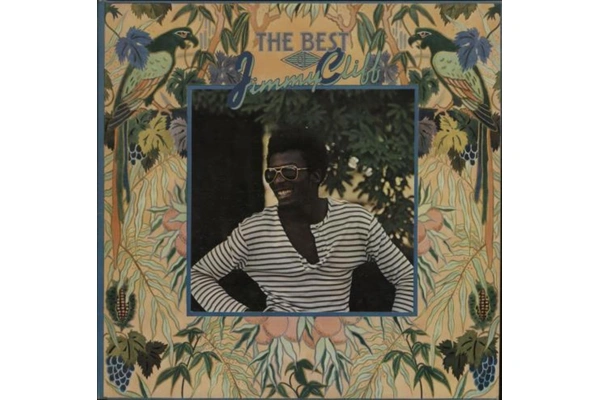
The Best of Jimmy Cliff (Album)
Own the timeless hits and musical legacy of a reggae icon.
Buy on Amazon
Sony WH-1000XM5 Premium Noise-Canceling Headphones
Hear every detail of Jimmy Cliff’s music with studio-level clarity.
Buy on AmazonAs an Amazon Associate, GSN earns from qualifying purchases. This helps support our independent journalism.
Reactions and Tributes
Reactions to Jimmy Cliff death have poured in from Jamaica, the United States, the United Kingdom, Ghana, Nigeria and Brazil. Fans shared emotional stories of discovering his music through their parents or grandparents.
Reggae and dancehall stars credited Cliff for opening the doors for Jamaican music globally. African artists—especially in Ghana and Nigeria—said his sound inspired modern Afro-roots, reggae fusion and protest music.
Cultural analysts noted that Cliff’s songs echoed liberation movements across the Global South.
Global and Local Impact
One reason Jimmy Cliff death hits harder than most is that his music travelled across oceans with migrating Caribbean communities. His records became a soundtrack for diasporic life—moments of nostalgia, longing and hope.
In Ghana, his influence is seen in contemporary reggae and highlife fusion. Jamaican communities expect national honours, memorial concerts and educational tributes in the months ahead.
Conclusion
As the world reflects on Jimmy Cliff death, one thing is certain: his legacy endures. His voice, his message and his global influence remain powerful across generations.
For GSN, Cliff represents what we stand for—Truth, Depth and Global Reach. His music will continue inspiring new listeners for many years to come.