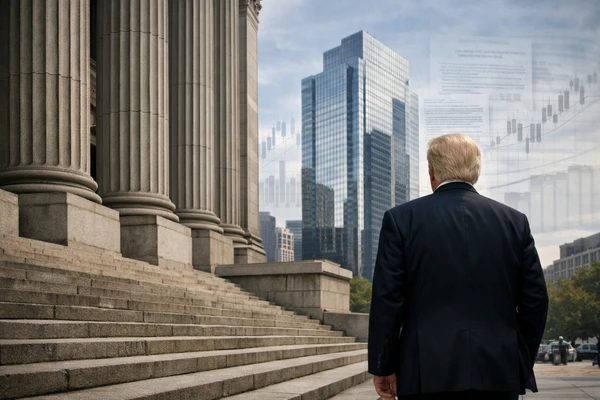
Eminem sues Swim Shady in a high-profile trademark dispute that has quickly gone global. The 53-year-old rapper, whose real name is Marshall B. Mathers III, has launched legal action against a Sydney-based beachwear company called Swim Shady, saying its name is too close to his famous alter ego, Slim Shady. The case now sits before the United States Patent and Trademark Office (USPTO) and Australian authorities, raising important questions about celebrity identity, branding, and how far small companies can go when choosing clever names.
How ‘Swim Shady’ Got on Eminem’s Radar
The dispute began when Eminem’s legal team noticed that a new Australian brand was trading under the name Swim Shady. The company, based in Sydney, sells portable beach umbrellas, swim bags, towels and shorts, and markets itself as a stylish way to stay protected from the harsh Australian sun.
According to public records, the business first registered a name similar to Slim Shady (“Slim Shade”) before rebranding and officially launching as Swim Shady in December 2024. By 2025, the brand had also secured a U.S. trademark for “Swim Shady,” opening the door to sales and recognition well beyond Australia.
At the same time, Eminem’s Slim Shady persona has been a protected trademark in the United States since 1999, tied to his breakthrough album The Slim Shady LP. Over more than two decades, Slim Shady has grown into a powerful commercial identity covering music, merchandise, and wider entertainment. Against that backdrop, it was only a matter of time before Eminem sues Swim Shady became more than just a clever headline.
Current Development: Why Eminem Sues Swim Shady Now
The current legal battle centres on a petition Eminem’s team filed with the U.S. Patent and Trademark Office (USPTO) in September 2025. In that petition, the rapper asks the USPTO to cancel Swim Shady’s U.S. trademark, which had just been granted. His lawyers argue that the beachwear brand’s name creates a “false association” with Slim Shady and could mislead consumers into believing the company is endorsed by, or connected to, Eminem.
At the same time, Eminem sues Swim Shady on an Australian front as well. Before Swim Shady launched, the rapper already held trademarks in Australia for “Shady” and “Shady Limited”. He later filed for the “Slim Shady” trademark in Australia in January 2025. His legal team now claims that Swim Shady infringes these marks and exploits the global reputation of Slim Shady to market its products.
Swim Shady’s owner, Jeremy Scott, has confirmed the lawsuit and says the company will fight the claims. In a statement issued with his partner, Elizabeth Afrakoff, they describe Swim Shady as a grassroots Australian business created to produce “stylish and effective sun shades and other items to protect from the harsh Australian sun.” They insist there was no intention to mislead consumers into thinking the brand is linked to the rapper.
Media coverage from outlets such as The real Slim Shady? Eminem sues Australian company Swim Shady for trademark infringement and Eminem sues Australian beach brand ‘Swim Shady’ – BBC/Yahoo report has confirmed the key elements: the USPTO petition, claims of “false association,” and a cross-border dispute that now spans both U.S. and Australian trademark systems.
🎧 Power Picks for Music Fans & Future Moguls
The story of how Eminem sues Swim Shady shows how closely music, branding, and business are tied together. These curated picks are ideal for readers who love great sound, want to understand the music business behind the headlines, or simply want to add a classic Eminem project to their collection.
Perfect for music lovers, podcasters, DJs and creators who want detailed, open-back sound for monitoring, mixing, or just enjoying Eminem’s catalogue with studio-style clarity.
🔗 View PHILIPS SHP9600 on AmazonA must-read guide to contracts, royalties, trademarks and negotiations – including the kind of legal and business issues that sit behind high-profile disputes like when Eminem sues Swim Shady.
🔗 Explore the Music Business GuideA defining collection of Eminem classics, including tracks from the Slim Shady era that helped build the brand now at the centre of this trademark battle.
🔗 Get Curtain Call: The Hits on AmazonDisclosure: As an Amazon Associate, Global Standard News (GSN) earns from qualifying purchases. This section is for general information only and does not replace professional legal or financial advice.
Analysis: Celebrity Identity vs Small-Brand Creativity
The fact that Eminem sues Swim Shady is more than a quirky headline about rhyming names. It reflects a deeper reality: celebrity identities are now powerful global assets. For Eminem, Slim Shady is not just a character – it is a legally protected commercial identity relied on for albums, merchandise, digital content and licensing deals across multiple markets.
Trademark law is built to prevent confusion in the marketplace and to stop businesses from unfairly benefiting from someone else’s reputation. From stadium tours to streaming platforms, fans often assume that any product using a well-known name or phrase is officially authorised. Even if a small company did not intend to mislead, courts tend to focus on how the average consumer might reasonably react.
For start-ups and small businesses, the Swim Shady dispute is a warning. A name that feels clever and harmless locally can become a liability once products appear on international platforms and social media. When Eminem sues Swim Shady, he is also sending a signal to other brands: celebrity trademarks will be defended, even against comparatively small players.
Technology is adding another layer. As brands move into virtual spaces, AI-generated content and immersive platforms, digital versions of celebrities and trademarks are becoming even more valuable – and more vulnerable.
For a deeper look at how advanced AI and simulation are reshaping digital identity and virtual environments where brands like Slim Shady could appear, read our tech feature: AI World Models: How Simulation Is Redefining Intelligent Systems .
Reactions: Public Debate Around ‘Eminem sues Swim Shady’
Public reaction to the fact that Eminem sues Swim Shady has been sharply divided. Some fans and commentators see the lawsuit as heavy-handed, describing Swim Shady as a “mom-and-pop” outfit that happened to choose a witty name. Others argue that, given how often artists’ work and likenesses are used without permission, standing back is not an option.
Legal experts point out that Eminem is already involved in other trademark battles, including a dispute over the Reasonably Shady podcast. For major artists, actively enforcing trademarks is part of maintaining control over their brand – even if that sometimes creates uncomfortable headlines or social media backlash.
Supporters of the beachwear brand, meanwhile, emphasise that Swim Shady operates in a completely different market from music, and that no reasonable consumer would think Eminem is personally selling umbrellas and towels. Ultimately, however, that is a question courts and trademark authorities, not fans, will decide.
At the same time, large tech companies are shaping the platforms where these brand battles play out. To understand how big-tech infrastructure and AI investment are changing digital ecosystems from the ground up, explore our coverage: Google AI Investments in Africa: Building the Continent’s Digital Future .
Global Impact: Why the Case Matters Beyond One Beach Brand
However the case ends, the fact that Eminem sues Swim Shady will be closely studied by lawyers, brand strategists and entrepreneurs worldwide. If the USPTO sides with Eminem and cancels the Swim Shady trademark, it could discourage other small businesses from using names that echo famous personas, even in unrelated industries. It would reinforce a strong, expansive view of celebrity trademark protection.
If, on the other hand, Swim Shady survives – whether through a court ruling, negotiated settlement, or coexistence agreement – the outcome might illustrate that context matters: different markets, product categories and consumer expectations can still leave room for playful branding, so long as confusion is unlikely.
Beyond the immediate parties, the case will inform how regulators, courts and international bodies interpret brand and identity disputes in a digital-first era. Organisations such as the World Intellectual Property Organization and national IP offices will continue facing cases where humour, homage and infringement sit very close together.
The Real Shady Question
For now, Eminem sues Swim Shady and both sides prepare for a potentially lengthy legal process. The rapper’s team is determined to protect the Slim Shady brand it has built over decades, while the Australian company insists it will defend its “valuable intellectual property” and its identity as a local beachwear start-up.
Whether this dispute ends with a courtroom judgment, a quiet rebrand, or a behind-the-scenes settlement, it is already shaping the way artists, lawyers and entrepreneurs think about names in a borderless digital marketplace. One thing is certain: the question of who gets to stand – and sell – as the “real Shady” is no longer just a lyric. It is a legal test case with global consequences.