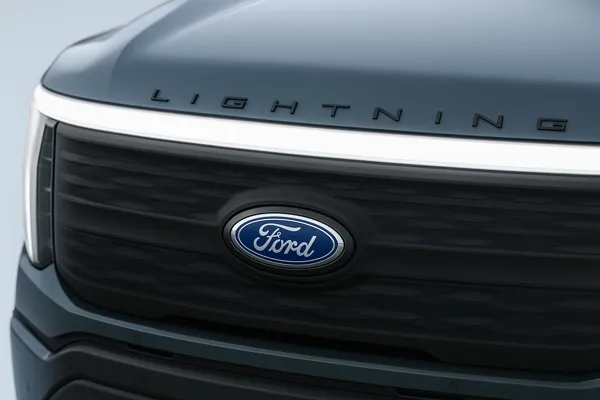
Ford Moves to Address Safety Concerns
A major Ford Recall has been issued for almost 79,800 vehicles in the United States, after federal safety regulators identified two key defects in separate models. The National Highway Traffic Safety Administration (NHTSA) announced that the recall affects both the Ford F-150 Lightning electric pickup and the Ford Flex crossover SUV, following reports of faulty door panels and malfunctioning rear lightbars.
The move underscores Ford Motor Company’s ongoing struggle to balance advanced manufacturing with quality assurance as it scales production of electric and legacy models alike.
A Pattern of Recurring Vehicle Issues
This Ford Recall adds to a string of recent quality concerns for the automaker. In September 2025, Ford recalled over 100,000 vehicles due to similar problems involving loose or detaching door trim pieces. In a separate case earlier in the year, nearly half a million Ford Explorers from the 2016–2017 model years were recalled over panels that could detach while driving.
This latest action involves:
- 14,843 units of the Ford F-150 Lightning (electric pickup) — for rear lightbar malfunction, and
- 64,938 units of the Ford Flex (SUV) — for front-door interior panels that could loosen or detach.
According to the NHTSA, both defects pose potential safety risks to occupants and other road users, particularly if the failures occur at high speeds or during low-visibility conditions.
Technical Explanation: What the Recall Covers
The Ford Recall report submitted to NHTSA reveals that the F-150 Lightning’s rear lightbar may fail to illuminate properly due to electrical or software errors. This malfunction can reduce rear visibility and increase the likelihood of rear-end collisions.
Meanwhile, in the Ford Flex, faulty door panel retention clips or adhesives may allow interior panels to separate over time. If the panels come loose while driving, they could distract the driver or, in rare cases, obstruct operation of the side airbags.
Ford will begin notifying affected owners by mid-November 2025. Dealers will inspect and, if necessary, replace defective parts free of charge.
“Ford is committed to the highest standards of safety and product quality,” the company said in a statement. “We encourage all affected customers to schedule service as soon as they receive notification.”
Root Causes: What Went Wrong
Ford engineers linked the lightbar defect in the F-150 Lightning to inconsistencies in electrical current regulationduring manufacturing. The system may misinterpret voltage thresholds, resulting in failure of the LED lightbar’s illumination sequence.
For the Ford Flex, the issue stems from a design flaw in the door panel fasteners used in certain production batches between 2018 and 2019. Environmental conditions such as extreme heat or humidity may accelerate wear, loosening the clips that secure the panels.
While no crashes or injuries have been reported, the Ford Recall demonstrates Ford’s effort to act pre-emptively rather than reactively.
Industry Context: Ford’s Quality Control Push
The latest Ford Recall underscores ongoing efforts within the automaker to improve quality across its global manufacturing operations. After years of costly recalls, Ford has pledged billions of dollars in plant modernization and supplier audits.
Industry analysts say Ford’s persistent recall activity reflects both the complexity of new-generation vehicles and the company’s transparency in addressing defects.
According to Rebecca Cline, an automotive quality expert, “Ford is being proactive — but these repeated recalls show that its quality control systems are still catching up to its technological ambition. For consumers, trust depends on visible follow-through.”
This recall also arrives as Ford ramps up its transition to electric vehicles (EVs). The company’s high-profile F-150 Lightning is seen as a cornerstone of its EV strategy, making any defect particularly sensitive to investor and consumer confidence.
Regulatory and Consumer Reactions
Regulators have largely praised Ford for its prompt response. The NHTSA said the automaker’s voluntary recall decision aligns with federal safety standards aimed at minimizing risk before accidents occur.
However, consumer advocates are urging stricter oversight. “We’ve seen Ford issue more than a dozen recalls in less than two years,” said Michael Brooks, Executive Director of the Center for Auto Safety. “This points to systemic issues that need deeper investigation.”
Owners of affected vehicles have taken to online forums and social media to express frustration, particularly those who recently bought the premium-priced F-150 Lightning. Many note that the vehicle’s advanced digital systems should have prevented such faults. Others, however, commend Ford’s transparency and responsiveness in offering free repairs.
Economic and Market Implications
Financially, the Ford Recall may have modest short-term costs but larger reputational implications. Analysts estimate that the recall could cost Ford between $25 million and $35 million, primarily covering parts, labor, and dealer reimbursements.
While such costs are minor compared to Ford’s overall earnings, the broader concern lies in consumer perception. Repeated recalls may dampen sales momentum, especially for the company’s electric models competing against Tesla, Rivian, and GM’s Ultium-based EVs.
Still, Ford’s stock performance has remained stable, reflecting investor confidence that the company’s long-term EV roadmap remains intact.
Global Significance: Could the Issue Spread Beyond the U.S.?
Although this Ford Recall applies to U.S. vehicles, regulators in Canada and Mexico are reviewing related vehicle batches to assess whether similar defects exist. Ford has confirmed it is cooperating with international authorities to determine if foreign recalls are necessary.
Globally, such recalls highlight the interdependence of manufacturing systems. A defective part from a single supplier can affect vehicles in multiple regions. As global supply chains tighten, automakers are being urged to diversify suppliers and enhance traceability — lessons reinforced by this recall.
Customer Guidance: What Owners Should Do Now
Owners impacted by the Ford Recall are urged to take the following steps:
- Check your VIN on Ford’s recall lookup site or at NHTSA.gov/recalls.
- Await the official notice from Ford by mail or email — expected mid-November.
- Schedule a free service appointment at an authorized Ford dealership.
- Do not attempt DIY fixes, as this can void warranty coverage.
- Report any post-repair issues to both Ford and NHTSA to ensure tracking accuracy.
Owners experiencing immediate panel detachment or light failure should avoid extended driving and contact their dealer immediately.
Expert Insight: Recall as a Sign of Corporate Accountability
Industry observers note that, despite the inconvenience, the Ford Recall reflects an evolving safety culture. In previous decades, automakers often resisted recalls until regulatory pressure mounted. Now, early intervention has become a hallmark of responsible corporate governance.
“Consumers should view timely recalls as a positive step,” said John Lambert, analyst at AutoData Insights. “The real concern isn’t that a company issues a recall — it’s how fast and effectively it resolves it.”
Lambert added that Ford’s new digital recall tracking system, integrated into the FordPass app, is a “significant advancement” for transparency and convenience.
Outlook: Ford’s Path Toward Restoring Consumer Confidence
The Ford Recall of 79,800 vehicles may appear as another blemish in the automaker’s record, but it also highlights Ford’s willingness to confront manufacturing flaws head-on. Moving forward, the company is expected to strengthen its supplier compliance programs and invest more heavily in component testing.
For consumers, the recall is a reminder to remain proactive in vehicle maintenance and safety awareness. For Ford, it’s a lesson in resilience — one that could shape its approach to the rapidly evolving electric vehicle landscape.
Conclusion: Safety, Trust, and the Road Ahead
This Ford Recall underscores that even established automakers must continually refine quality assurance systems to meet modern standards. As technology and safety expectations evolve, transparency remains Ford’s best route to preserving trust and brand loyalty.
The company’s swift action, coupled with cooperation from regulators, suggests that Ford is learning from past missteps. Whether this recall marks a turning point or another temporary disruption will depend on how consistently the automaker delivers on its promise of safety and reliability.
External Links:
- Reuters – Ford Recall about 79,800 Vehicles in U.S. for Door Panel, Lightbar Defects
- Economic Times – Ford to Recall Vehicles for Door Panel, Lightbar Defects