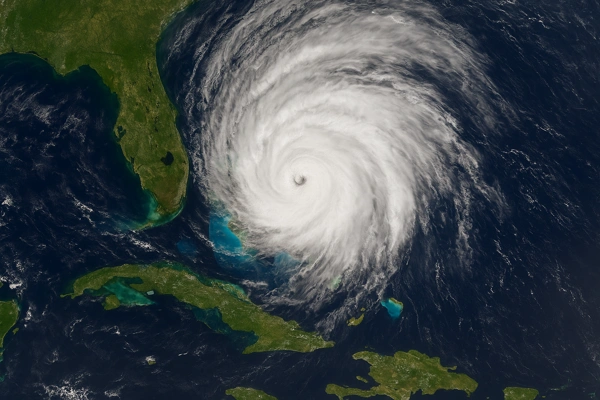
Hurricane Melissa has unleashed widespread destruction across the Caribbean, leaving thousands displaced and entire coastal regions flooded. The storm, which intensified into a Category 4 hurricane earlier this week, is now accelerating toward Bermuda with sustained winds exceeding 140 miles per hour. Officials warn that the impact could be catastrophic if the hurricane maintains its current trajectory.
Meteorological Overview
According to the National Hurricane Center (NHC), Hurricane Melissa formed in the central Atlantic before moving westward, gaining strength as it encountered warm ocean temperatures and favorable atmospheric conditions. The hurricane’s eye passed near Saint Lucia and Dominica, where communities reported heavy rainfall, landslides, and prolonged power outages. As of Thursday morning, the storm’s center was approximately 320 miles south-southeast of Bermuda, moving at a brisk pace of 20 mph.
Meteorologists project that Hurricane Melissa will continue its rapid intensification over the next 24 hours, bringing hurricane-force winds, dangerous storm surges, and rainfall totals exceeding 10 inches across several island territories. The storm’s outer bands have already reached Puerto Rico and the Virgin Islands, prompting local governments to issue flash flood warnings.
Regional Impact and Evacuations
In the wake of Hurricane Melissa’s passage through the Caribbean, multiple island nations have declared states of emergency. The Prime Minister of Barbados, Mia Mottley, confirmed that extensive evacuations were underway in flood-prone communities, while regional agencies coordinated relief efforts for displaced residents.
In Saint Vincent and the Grenadines, emergency shelters have reached capacity as heavy winds tore off rooftops and damaged communication networks. The Caribbean Disaster Emergency Management Agency (CDEMA) has deployed rapid response teams to assess damage and deliver essential supplies, including food, clean water, and medical aid.
Across the Dominican Republic and Haiti, flash floods and mudslides have compounded the humanitarian crisis, disrupting transport routes and limiting access to rural areas. Health authorities are on high alert for potential outbreaks of waterborne diseases following extensive flooding.
Bermuda Prepares for Impact
As Hurricane Melissa barrels toward Bermuda, the island’s government has activated its National Emergency Operations Centre. Premier David Burt urged residents to finalize their storm preparations and adhere strictly to official advisories. The Bermuda Weather Service has issued a hurricane warning, with forecasts predicting sustained winds of 130–150 mph and waves as high as 40 feet.
Airports and schools have been closed, and public transportation will be suspended as the storm approaches. The Bermuda Electric Light Company (BELCO) has mobilized crews in anticipation of widespread power disruptions. Authorities have also secured government buildings and coastal infrastructure, reinforcing seawalls to reduce the risk of coastal erosion.
Expert Analysis and Climate Context
Climate scientists note that Hurricane Melissa exemplifies the growing intensity of tropical storms in the Atlantic, linked to rising ocean temperatures and shifting climate patterns. Dr. Maria Gonzalez of the World Meteorological Organization (WMO) stated that “the rapid intensification of Hurricane Melissa is consistent with a broader trend of stronger, wetter storms that gain energy more quickly due to climate change.”
Experts also highlight the socioeconomic vulnerability of Caribbean nations repeatedly struck by major storms. Many small island economies depend heavily on tourism and agriculture—sectors easily disrupted by hurricanes. This recurrent cycle of destruction and recovery continues to strain public finances and regional development efforts.
Global and Regional Response
The United Nations Office for the Coordination of Humanitarian Affairs (OCHA) has initiated emergency funding appeals to support recovery efforts in affected areas. The U.S. Agency for International Development (USAID) and the European Union have pledged logistical support and relief supplies. Neighboring Caribbean countries, including Jamaica and Trinidad and Tobago, have offered to send search and rescue teams once conditions allow.
International relief coordination will be vital in the days ahead, particularly if Hurricane Melissa causes further devastation in Bermuda. Shipping routes across the North Atlantic have already been rerouted, and major airlines have suspended flights through the region until further notice.
Economic and Environmental Implications
The economic toll of Hurricane Melissa could reach billions of dollars, with damages expected to affect critical sectors such as energy, transportation, and agriculture. Early estimates suggest that the agricultural losses in the Lesser Antilles alone could exceed $500 million. Fisheries and coral reef ecosystems are also at risk from storm surge and sediment runoff.
Environmental experts caution that recovery will require months of restoration efforts. Coral bleaching, mangrove damage, and soil erosion threaten long-term ecological stability. The Caribbean Tourism Organization (CTO) warned that the region’s tourism recovery—already challenged by post-pandemic disruptions—could face additional setbacks.
Reactions and Statements
Regional leaders have called for stronger global cooperation in addressing climate resilience and disaster preparedness. In a statement, UN Secretary-General António Guterres expressed solidarity with affected nations, emphasizing that “Hurricane Melissa underscores the urgent need for climate adaptation funding and early warning systems for vulnerable regions.”
The World Bank and International Monetary Fund (IMF) have indicated readiness to provide emergency financial assistance to affected countries. Humanitarian organizations, including the Red Cross and UNICEF, are scaling up operations to deliver shelter, food, and medical supplies to those most in need.
Conclusion
Hurricane Melissa’s path through the Caribbean and toward Bermuda serves as a stark reminder of the escalating impact of extreme weather events on vulnerable island nations. As rescue and relief operations continue, the focus will shift toward rebuilding and enhancing resilience against future storms. With global temperatures rising, experts warn that the next Hurricane Melissa may not be far behind.
Internal Links:
- Rio Police Raids Leave 132 Dead in Massive Crackdown
- Grokipedia Launch Redefines How the World Consumes Knowledge
External Links: