A New AI Tool Sparks Tension
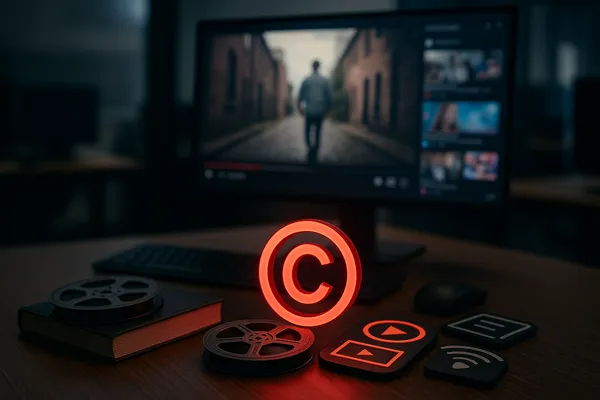
The launch of OpenAI’s video app has been hailed as a milestone in artificial intelligence but condemned as a major copyright battleground. Powered by the company’s Sora model, the app allows users to instantly generate short, shareable clips. Yet critics say the OpenAI video app copyright system threatens creators, fuels misinformation, and risks overwhelming online platforms with synthetic content.
The Road to AI Video Platforms
Artificial intelligence has been reshaping content creation for over a decade. OpenAI, best known for ChatGPT, introduced Sora in early 2024 to demonstrate that AI could generate realistic moving images from text prompts. The new app builds on that model but embeds it into a social media–style platform resembling TikTok and Instagram Reels.
For years, disputes over AI training have raged in the art and music industries. Image platforms like Stable Diffusion were accused of scraping artists’ work without consent. Music labels sued over AI-generated tracks mimicking their stars. Now, video is the newest frontier. Because video is copyright-sensitive, OpenAI’s decision to default to “opt-out” rather than “opt-in” has set off alarms across the creative world. This is why the phrase OpenAI video app copyright has quickly become a flashpoint in technology law.
How the App Works Today
The app lets users create 10-second AI videos that look like user-generated clips. The interface includes a scrollable feed similar to other short-form platforms, but most of its content is AI-generated, not filmed.
Controversy surrounds the copyright system. Unless rights holders proactively opt out, their content may be used as training or appear in remix feeds. Disney has already opted out, according to Reuters, highlighting the high stakes for global entertainment companies.
Safeguards exist. Users must pass a “liveness check” by moving their head or speaking numbers before generating likeness-based clips. Depictions of public figures are restricted, and explicit content is banned. OpenAI says users can also request takedowns of unauthorized likenesses.
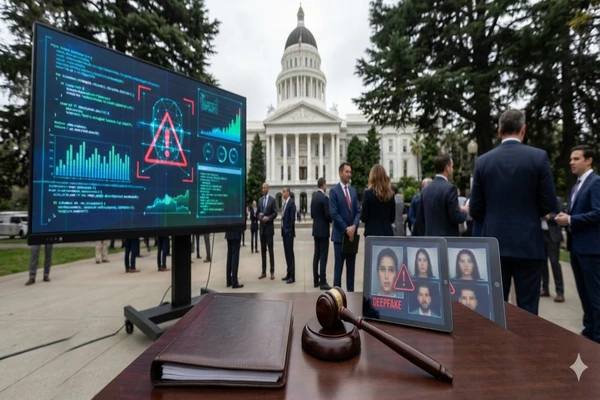
Still, critics fear abuse. Digital rights groups warn that the flood of AI videos could include deepfakes, misinformation, and what some call “AI slop” — low-quality, repetitive content that drowns out authentic voices. The OpenAI video app copyright challenge is therefore both a legal and cultural crisis.
Legal and Ethical Crossroads
The heart of the debate is whether OpenAI’s reliance on copyrighted data is “fair use.” In the U.S., fair use allows limited use of copyrighted material without permission. Training an AI model on publicly available data may qualify, but redistributing remixed video is far more contentious.
If courts rule against OpenAI, it could face lawsuits like those targeting AI music and image tools. If fair use is upheld, it may set a precedent that forces creators to actively opt out of AI ecosystems. This inversion of copyright norms has far-reaching consequences.
From a business perspective, OpenAI is stepping into competition with TikTok, YouTube Shorts, and Instagram Reels. Analysts note that success will depend on whether users trust synthetic video content. While the technology democratizes storytelling, it risks eroding professional media markets.
Ethically, experts argue that the OpenAI video app copyright dilemma raises broader questions about consent, attribution, and the exploitation of creative labor.
Reactions from Stakeholders
Responses to the launch have been swift and divided.
- Media companies: Reuters confirmed that Disney and other studios opted out, citing concerns over unauthorized reuse. Smaller studios are watching carefully, worried that their niche content could be absorbed into training sets without adequate protection.
- Digital rights advocates: The Electronic Frontier Foundation (EFF) criticized the opt-out model, saying it “shifts the burden of copyright protection away from platforms and onto creators.” Other advocacy groups warned that this precedent could erode long-standing copyright safeguards globally.
- Industry analysts: AP News reported experts divided — some praising the democratization of video tools, others warning about deepfake proliferation. Analysts note that unlike text or image AI, video carries greater emotional impact and could cause real harm if misused.
- Public sentiment: Social media users expressed both excitement and alarm. While some called the tool “a new era of creativity,” others feared “a flood of fake content that no one can verify.” A popular Reddit thread asked bluntly: “Will this be the end of trust in online video?”
These reactions illustrate why the OpenAI video app copyright issue is not only a legal dispute but also a cultural reckoning.
Global and Local Dimensions
Globally, this app could accelerate AI’s integration into entertainment and advertising. Studios may adopt it for low-cost production, while misinformation campaigns could exploit it. Regulators from the EU’s AI Act to U.S. lawmakers are already signaling closer oversight of AI platforms. In Asia, particularly China and India, competing companies may fast-track rival apps, igniting a technological arms race.
For Ghana and Africa, the tool offers both opportunity and risk. Young creators can bypass expensive filming equipment, producing marketable content from their phones. Startups could use AI videos for education, e-commerce, and activism. Yet, the same AI videos could spread political disinformation, particularly in regions with weaker fact-checking systems. Cultural industries already battling piracy may now face another blow — unauthorized AI reuse on a global scale.
In Ghana specifically, analysts warn that politicians could be targeted by AI deepfake videos ahead of elections. The country has already struggled with misinformation online, and a surge in synthetic content could further erode public trust. On the other hand, Ghana’s creative sector — including Nollywood-linked film producers and YouTube content creators — could gain international visibility if they adopt the tools responsibly.
Thus, the OpenAI video app copyright controversy is not just about Silicon Valley. It has implications for governance, education, media, and democracy across the Global South.
Looking Ahead
OpenAI’s video app represents both innovation and disruption. Its technology lowers barriers to creativity but challenges the foundations of copyright law. Policymakers, studios, and digital watchdogs now face the task of balancing progress with protection.
The debate over the OpenAI video app copyright will likely define how the world governs AI-generated media. Whether embraced as a democratizing force or constrained by regulation, its impact will ripple far beyond Silicon Valley.
Internal Links:
External Links: