A Major BMW Recall Shakes the U.S. Auto Market
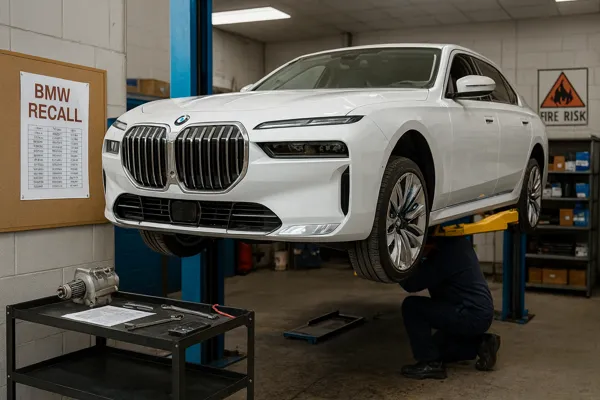
The latest BMW Recall has sent shockwaves through the U.S. automotive sector, with more than 145,000 vehicles flagged for a potentially dangerous starter motor defect. Regulators warn that the flaw could cause overheating and engine fires, putting both drivers and property at risk. BMW faces mounting pressure to protect consumers while preserving its hard-earned brand image as a luxury performance automaker.
How BMW’s Past Recalls Set the Stage for Today’s Crisis
This is not the first time a BMW Recall has drawn headlines. In 2024, the company recalled more than 105,000 cars for similar overheating risks in electrical systems. Just one week ago, another recall affected over 196,000 vehicles due to a faulty starter relay that could corrode and ignite.
Combined, BMW has now recalled over 340,000 U.S. vehicles in less than two weeks — a staggering figure that has sparked debate over whether automakers are rushing complex electrical systems to market without sufficient testing. Consumer advocates point out that today’s vehicles are highly dependent on electronic components, which, while improving performance, also introduce new failure points.
The BMW Recall therefore reflects both a specific mechanical problem and a broader industry challenge: balancing innovation with safety.
Details of the 145,000-Vehicle BMW Recall in the U.S.
According to filings with the National Highway Traffic Safety Administration (NHTSA), the latest BMW Recall affects models including the 2020 BMW 340i, BMW X5, and BMW X7. The identified defect lies in the starter motor, which can overheat during ignition attempts. In rare cases, the part could short-circuit and ignite a fire in the engine compartment.
BMW has confirmed there have been overheating incidents but no reported fatalities. The automaker is notifying affected owners and urging them to verify their vehicles using VIN lookup tools provided by BMW and NHTSA. Repairs will be offered free of charge at authorized dealerships, with technicians replacing the faulty starter motor.
Until then, owners are advised to avoid repeated starting attempts and park their cars outside rather than in enclosed garages. This guidance underscores the seriousness of fire-related recalls, where even a single incident could have devastating consequences.
What Experts Say About BMW Recall and Brand Trust
Analysts warn that the repeated BMW Recalls could damage the automaker’s reputation for reliability. BMW has built its image around engineering excellence and safety. However, frequent safety-related recalls may raise doubts among both loyal customers and potential buyers.
Industry experts argue that the problem stems from the increasing complexity of modern vehicles. Once simple mechanical devices, starter motors are now integrated into intricate electrical systems. That evolution increases the chance of unexpected malfunctions.
Financially, BMW faces significant costs. Recalls of this size typically run into millions of dollars, not only in replacement parts and labor but also in customer service, legal liabilities, and reputational damage. Wall Street reacted swiftly: BMW’s stock dipped slightly following the announcement, reflecting investor concerns.
Still, safety advocates credit the company for its transparency. By cooperating with NHTSA and moving quickly to repair vehicles, BMW is signaling a commitment to customer safety — a move that could help restore confidence in the long run.
Statements from BMW, NHTSA, and Consumer Voices
BMW of North America emphasized its dedication to fixing the issue:
“The safety of our customers is paramount. BMW is cooperating fully with NHTSA to ensure all affected vehicles are repaired quickly and free of charge.”
NHTSA officials echoed the urgency:
“Vehicle fires pose a serious threat. NHTSA is working closely with BMW to ensure corrective measures are implemented without delay.”
Meanwhile, many BMW owners have taken to social media to share their frustration. One customer wrote:
“Another BMW Recall? This is the second trip to the dealership this year. BMW needs to tighten its quality checks.”
Consumer rights organizations, including the Center for Auto Safety, urged drivers to respond immediately to recall notices:
“Delaying fire-related recall repairs can be deadly. Customers must treat this recall with urgency.”
Global and Local Implications of the BMW Recall
While the BMW Recall focuses on the U.S., its impact is global. BMW’s American market represents a major share of its sales, and large-scale recalls can shake investor confidence and quarterly earnings.
In Europe, regulators like Germany’s Federal Motor Transport Authority (KBA) may launch their own investigations to determine if similar risks exist in European models. Asian regulators in markets such as China, South Korea, and Japan are also expected to review BMW’s filings. If issues are identified, this U.S. recall could trigger parallel actions worldwide.
For African countries such as Ghana, the recall carries an additional concern. Many cars on local roads are imported second-hand vehicles from the U.S. A BMW Recall that covers U.S. models could therefore affect unsuspecting buyers in Accra, Kumasi, or Lagos who purchase imported vehicles without checking VIN histories. Experts urge prospective buyers to use online recall databases to ensure vehicles are safe before purchase.
The recall also has implications for used car values. Cars under active recalls often lose resale appeal until certified repairs are complete, which could affect both private sellers and dealerships.
BMW Recall: What It Means for Drivers Going Forward
The BMW Recall of 145,000 vehicles is more than just another auto industry headline — it’s a reminder that even prestigious brands can face serious safety lapses. For BMW, the challenge lies in executing repairs swiftly, communicating transparently, and restoring faith in its engineering standards.
For consumers, the message is simple but urgent: take recall notices seriously, check VINs, and schedule repairs without delay. Safety can never be postponed, and responding promptly to this recall could prevent costly or even life-threatening consequences.
Internal Links:
External Links: