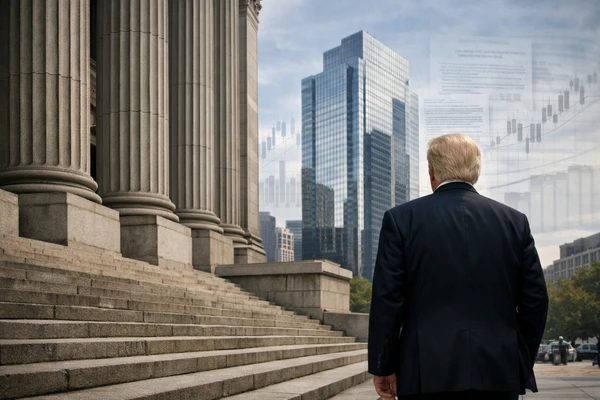
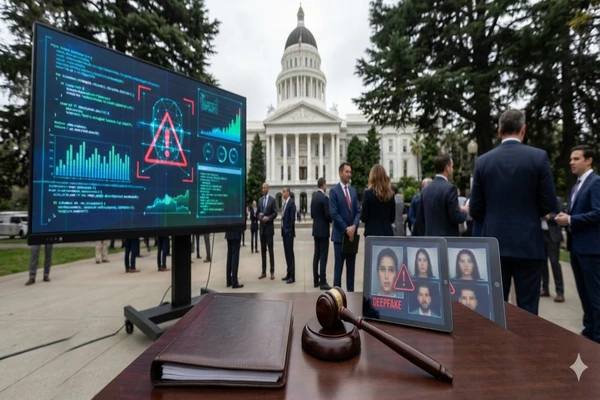
The YouTube Trump Settlement has brought closure to one of the most closely watched disputes between Big Tech and Donald Trump. Announced on September 29, 2025, the deal saw YouTube agree to a $24.5 million payout to settle a lawsuit over Trump’s suspension following the January 6 Capitol riots. While YouTube admitted no wrongdoing, the settlement provides Trump with financial compensation and a symbolic win, ensuring the case will echo across global debates about censorship, political bias, and digital governance.
From Capitol Riots to Courtrooms: The Road to Settlement
Trump’s suspension in January 2021 came during the aftermath of the Capitol riot. YouTube justified its decision by citing concerns about incitement and ongoing threats of violence. The suspension mirrored moves by Meta and Twitter (now X), which also froze Trump’s accounts. Collectively, the bans silenced one of the most influential political voices in U.S. digital space.
Trump quickly responded with lawsuits, accusing Big Tech of bias and discrimination against conservative voices. The YouTube–Trump lawsuit became one of several high-profile legal battles testing the limits of corporate responsibility versus free speech rights. Supporters saw it as proof of political censorship, while critics argued private companies had both the right and obligation to restrict harmful content.
Breaking Down the $24.5 Million Deal
The Trump settlement with YouTube specifies that about $22 million will be allocated to the Trust for the National Mall, supporting a ballroom project Trump has long promoted. The remaining funds will be directed to other plaintiffs, including the American Conservative Union. Importantly, YouTube emphasized the agreement was not an admission of fault but a resolution to avoid further litigation.
Filed in California in 2021, the lawsuit contested Trump’s YouTube account suspension. The YouTube Trump Settlement ensures no legal precedent is set while closing one of the last active cases between Trump and a major platform. Comparisons have been drawn with earlier agreements: Meta’s $25 million settlement and X’s reported $10 million payout, both of which resolved similar lawsuits.
This YouTube account suspension case illustrates how Big Tech weighs the financial cost of settlements against the reputational and political risks of prolonged court battles.
Why YouTube Chose Settlement Over a Court Fight
Legal analysts argue the YouTube Trump Settlement was strategically chosen to prevent a trial that could weaken platforms’ power to regulate harmful content. Had Trump won in court, companies might have faced stricter limits on their ability to suspend political figures, reshaping the global rules of online moderation.
By agreeing to a payout, YouTube sidestepped the possibility of an unfavorable precedent. For Trump, the settlement represents both monetary restitution and a symbolic victory over Silicon Valley. The Big Tech settlement with Trumpthus reflects a pragmatic compromise: both parties claim success without conceding core principles.
Mixed Reactions from Allies, Critics, and Scholars
The YouTube settlement with Trump sparked polarized responses. The American Conservative Union hailed it as proof that platforms must “answer for silencing voices.” Trump allies framed it as validation of his long-standing complaints about censorship.
Critics, however, stressed that settlements are not admissions of guilt. Scholars at Harvard Law noted that YouTube retains full autonomy to regulate harmful content. Public commentary was equally divided. Supporters flooded social media with celebratory hashtags, while critics dismissed the payout as “pocket change” for Alphabet.
In its official statement, YouTube said the YouTube Trump Settlement allows the company to “move forward” while remaining focused on keeping its platform safe.
Global Ripple Effects of the Settlement
The YouTube Trump Settlement resonates far beyond Washington. In Europe, regulators may cite the case when enforcing the Digital Services Act, which requires transparency in content moderation. Analysts warn that settlements, by avoiding court rulings, leave legal gray areas that lawmakers could attempt to close.
In Africa and Asia, where online misinformation threatens democratic processes, the case highlights the tension between free expression and national stability. Observers in Ghana have noted parallels with concerns about electoral misinformation, suggesting that if platforms can suspend a former U.S. president, stricter scrutiny of local politicians online may soon follow.
For investors, the payout is financially negligible, but the YouTube moderation dispute underscores the reputational risks Alphabet faces whenever moderation decisions intersect with politics.
A Chapter Closed but Questions Remain
Ultimately, the YouTube Trump Settlement closes one of the last legal disputes Trump pursued against major tech companies. Yet the central questions remain unresolved: how far should private platforms go in moderating political content? Do politicians have special rights online? And who should arbitrate the boundaries of free expression in digital spaces?
The Trump’s YouTube ban case may be over, but the debate will persist. For Trump, the deal is a victory he can wield politically. For YouTube, it is a small price to preserve autonomy. For the global community, it is another reminder that the role of Big Tech in shaping democracy is far from settled.
Internal Links
- Interpol Online Scam Arrests: 68 Ghanaians Among 260 in Africa Crackdown
- Ghana Debt Restructuring: $256M UK Deal Unlocks 5 Projects