A Critical Boost to Ghana’s Fiscal Health
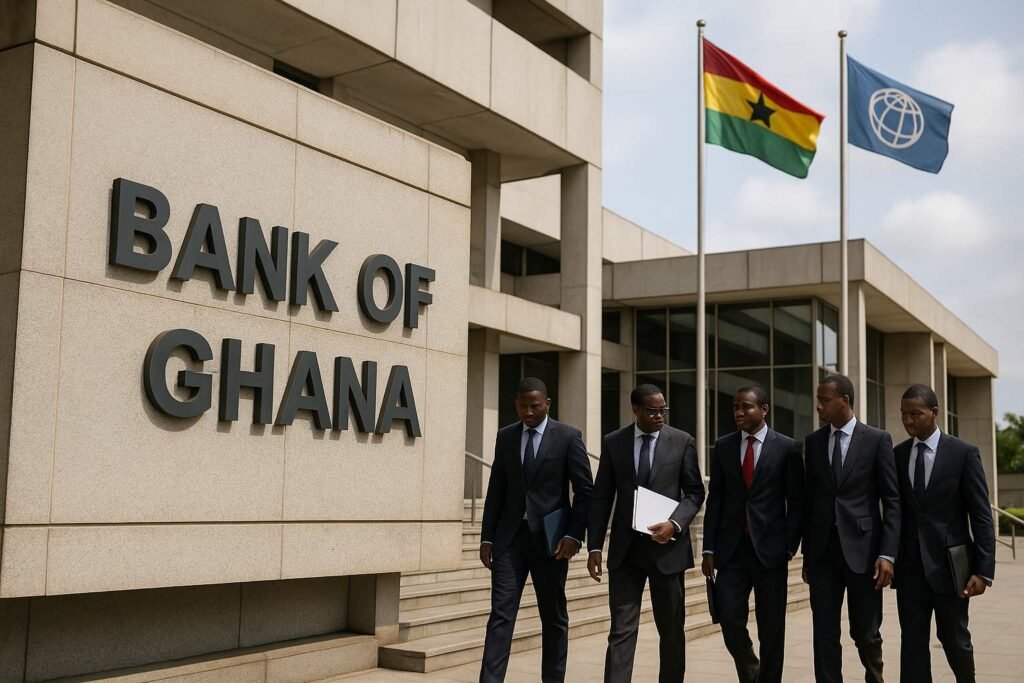
The World Bank disburses $360 million to Ghana, marking a pivotal step in the country’s economic recovery journey. The disbursement, completed on September 11, 2025, under the International Development Association (IDA) program, offers vital fiscal support at a time when Ghana grapples with inflationary pressures, high debt, and dwindling investor confidence.
This financial injection, part of the Second Resilient Recovery Development Policy Financing (DPO), reflects international confidence in Ghana’s commitment to reform and macroeconomic discipline.
How the Disbursement Aligns with Ghana’s Recovery Plan
Ghana’s economy has endured years of fiscal strain driven by global shocks, pandemic aftershocks, and domestic revenue challenges. The World Bank disbursement is a product of sustained engagement between Ghana’s Ministry of Finance and the Bretton Woods institution, following Board approval in June 2025 and Parliamentary ratification in July 2025.
This package aligns with Ghana’s ongoing IMF-supported Economic Recovery Program, which prioritizes debt restructuring, revenue mobilization, and social protection. By channeling concessional financing through the IDA, the World Bank aims to stabilize the country’s financial systems while catalyzing inclusive growth and climate resilience.
Fiscal Management: Strengthening Macroeconomic Stability
The World Bank disburses $360 million to Ghana to reinforce fiscal responsibility and restore market confidence. The funds are expected to address critical financial gaps, including:
- Clearing arrears owed to local contractors.
- Supporting liquidity for essential infrastructure projects.
- Stabilizing government operations and public payrolls.
These interventions are designed to alleviate Ghana’s immediate fiscal constraints and ensure that government spending remains focused on productive sectors.
According to the Ministry of Finance, the disbursement also supports ongoing efforts to strengthen public financial management, streamline expenditure, and improve revenue collection through digital tax systems. Such reforms are key to rebuilding investor trust and restoring credit ratings.
Energy Sector Transformation: Laying Foundations for Efficiency
One of the priority areas under this program is the energy sector, where inefficiencies and debt accumulation have long undermined fiscal stability. The Bank disbursement allocates significant resources toward achieving cost recovery, improving transparency, and enforcing accountability across the electricity value chain.
Reform measures include:
- Reviewing Power Purchase Agreements (PPAs) to reduce excess capacity charges.
- Introducing fair and transparent tariff structures.
- Enhancing operational efficiency of the Electricity Company of Ghana (ECG) and GRIDCo.
Without these corrections, experts warn that power sector deficits could continue to erode fiscal gains. However, the program’s focus on sustainability suggests that Ghana is moving toward a model where energy becomes a driver — not a drag — on economic progress.
Financial Sector Reforms: Building Confidence and Credit Access
Beyond macroeconomic stabilization, the World Bank disburses $360 million to Ghana to strengthen the resilience of the financial and private sectors.
Through the DPO framework, Ghana is advancing policies that enhance banking oversight, expand credit access for small and medium-sized enterprises (SMEs), and improve financial inclusion. These steps will help ensure a healthier credit environment, encourage entrepreneurship, and diversify the economy beyond traditional exports like gold and cocoa.
Analysts believe that sustained reforms in this sector could attract foreign investment and solidify Ghana’s position as a West African financial hub. A GSN analyst noted, “The disbursement’s design links macro-stability with private growth. That balance is crucial for Ghana’s next development phase.”
Social Protection and Climate Adaptation: Ensuring Inclusive Recovery
The World Bank disburses $360 million to Ghana with a strong social and environmental focus. A portion of the funds targets expanded social protection programs, including:
- Cash transfers for vulnerable households.
- School feeding initiatives to improve nutrition and retention.
- Employment support schemes under Ghana CARES and LEAP.
Equally critical is the integration of climate resilience measures into fiscal planning. Ghana, increasingly affected by floods, droughts, and coastal erosion, aims to build adaptive capacity through community-based disaster management and sustainable infrastructure projects.
These interventions reflect the World Bank’s twin goals of ending extreme poverty and promoting shared prosperity in a climate-resilient manner.
Policy and Governance: Reinforcing Institutional Accountability
Institutional transparency remains central to the success of the program. The World Bank disbursement encourages Ghana to deepen reforms in procurement, auditing, and fiscal reporting.
The government has pledged to enhance the Ghana Integrated Financial Management Information System (GIFMIS)and strengthen the Public Accounts Committee’s oversight role in Parliament. These governance measures ensure that every cedi disbursed delivers tangible results for citizens.
Observers note that improved fiscal governance will not only secure future tranches of World Bank support but also reassure international creditors and markets of Ghana’s reform credibility.
International Confidence: Positioning Ghana as a Reform Leader
Global institutions and investors have hailed the World Bank disburses $360 million to Ghana decision as a positive signal for Africa’s broader debt recovery narrative. The combination of IMF, World Bank, and AfDB support represents a rare alignment of multilateral backing, making Ghana a test case for effective post-crisis management.
If sustained, these reforms could lift Ghana’s credit outlook, stabilize the cedi, and restore international capital inflows. Development partners view the disbursement as evidence that Ghana’s fiscal house is gradually being put in order, creating a pathway for long-term resilience and inclusive growth.
Challenges and Cautions: Staying the Course on Reform
While optimism runs high, experts caution that implementation risks remain significant.
Key areas of concern include:
- Debt accumulation: Even concessional loans can increase future repayment burdens.
- Political cycles: Approaching elections may trigger spending pressures.
- Reform fatigue: Sustained policy discipline is required to maintain progress.
- External shocks: Global commodity fluctuations and interest rate changes could undermine fiscal gains.
An economic observer told GSN, “The World Bank disbursement is not a silver bullet. It’s a vote of confidence — one Ghana must uphold through credible, consistent reform execution.”
Regional and Global Impact: Lessons Beyond Ghana
The implications of the Bank disbursement extend beyond national borders. Neighboring economies such as Sierra Leone, Liberia, and Nigeria are closely observing Ghana’s fiscal turnaround as a potential template for sustainable recovery under multilateral frameworks.
For the World Bank, Ghana’s performance under this program could influence future development policy operations across Sub-Saharan Africa. The lessons from this partnership may guide how developing countries manage debt restructuring while safeguarding social spending and climate action.
A Defining Step Toward Sustainable Prosperity
The Bank disburses $360 million to Ghana, reinforcing the country’s economic reform trajectory and signaling renewed confidence in its fiscal management.
If reforms remain on track — particularly in revenue mobilization, energy discipline, and social inclusion — Ghana could emerge as a model for resilient recovery in Africa. The journey ahead demands transparency, political will, and accountability, but this disbursement marks a significant leap toward long-term stability and sustainable growth.
Internal Links
- Ghana Excavator Imports Spark Alarming Galamsey Crisis
- Ghana Received Deported West Africans from US – Mahama
- Afghanistan Earthquake: 620 Dead as Villages Collapse