A Digital Scandal That Shocked Italy
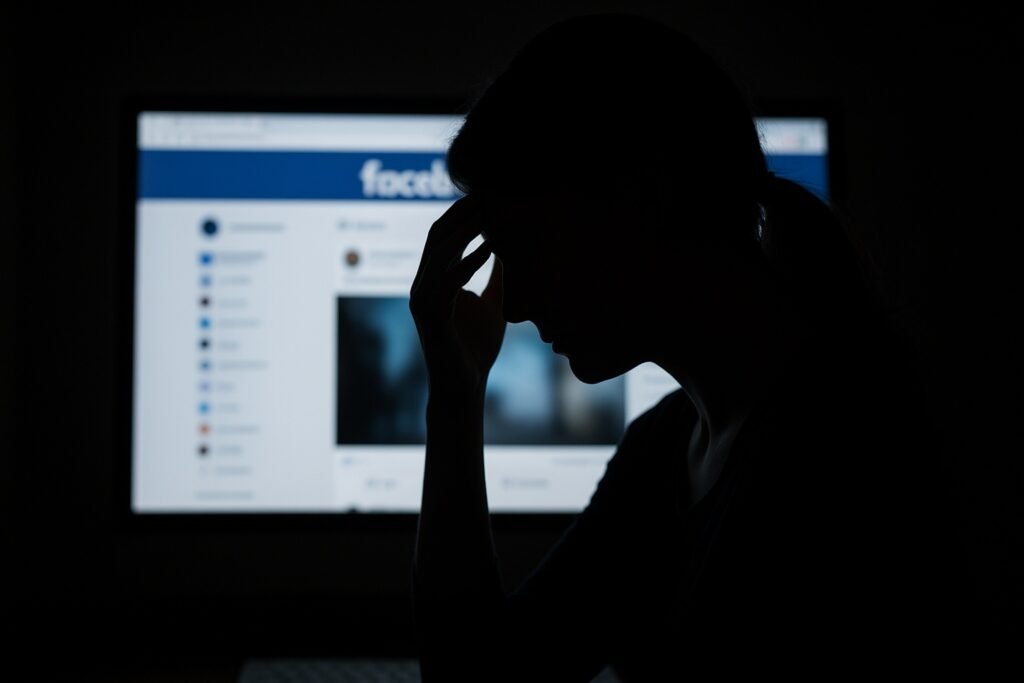
An Italian Facebook group has triggered nationwide outrage after revelations that more than 32,000 men used the platform to share intimate photos of women without consent. The group, known as Mia Moglie ❤❤❤ (“My Wife”), circulated private images, some secretly taken while others were AI-generated to appear explicit.
The scandal has been widely described as one of the worst examples of digital gender violence in Italy’s history. Weeks of growing public outcry, widespread media coverage, and mounting police complaints eventually forced Meta to intervene and shut the Italian Facebook group down.
Inside the Operations of the Italian Facebook Group
The Italian Facebook group was created in 2019 and initially presented itself as a community of husbands sharing affectionate tributes to their wives. Over time, however, it evolved into a hub for exploitation and abuse.
By mid-2025, the page had grown into a sprawling community of tens of thousands of men uploading explicit and often non-consensual images. Many posts carried misogynistic captions and degrading commentary.
Some images were secretly recorded in private spaces—homes, beaches, and hotel rooms—without the women’s knowledge. Others were AI-generated deepfakes depicting fabricated sexual acts.
The group blatantly violated both Meta’s policies and Italian law until feminist influencer Carolina Capria publicly exposed it on Instagram, calling it a form of “virtual gang rape.” Her revelations sparked national outrage and a surge of police complaints and public pressure for justice.
National Outcry and Institutional Response
The scandal surrounding the Italian Facebook group dominated Italian media and forced swift responses from politicians, advocacy groups, and law enforcement.
Women’s rights collective No Justice No Peace described the group as a textbook case of digital gender-based violence and demanded that online abuse be prosecuted as seriously as physical assault.
Consumer watchdog Codacons issued an ultimatum to Meta, threatening legal action if the group wasn’t removed within five days—adding major legal pressure to the growing backlash.
Lawmakers across the Democratic and Five Star parties condemned the abuse in Parliament, calling for faster removal mechanisms for harmful online content. The Italian Postal Police received over 2,800 formal complaints from victims—many of whom discovered the violations only after friends or relatives alerted them.
Legal Ramifications and Possible Charges
Italy’s 2019 revenge-porn law makes it a criminal offense to share explicit images without consent, punishable by up to six years in prison and fines up to €15,000.
Legal analysts note that participants in the Italian Facebook group could face multiple overlapping charges, including:
- Revenge Porn & Privacy Breach: for distributing intimate images without consent.
- Aggravated Defamation: for attaching degrading or misogynistic captions.
- Child Exploitation: if any images involved underage victims.
Prosecutors are reviewing evidence submitted by victims and advocacy organizations. Experts believe the case could become a landmark precedent for prosecuting large-scale online sexual exploitation in Italy.
Meta’s Handling and Accountability Concerns
Although Meta eventually removed the Italian Facebook group, critics argue its response was too slow and reactive. Complaints had been filed months earlier, yet the group’s membership continued to surge past 32,000 users.
Advocates accuse Meta of prioritizing engagement metrics over user safety. Without Carolina Capria’s viral exposé, they argue, the group might have continued unchecked.
Activists are now urging Meta to:
- Strengthen AI-driven monitoring tools to detect non-consensual intimate imagery (NCII).
- Expand local moderation teams across Europe.
- Improve collaboration with law enforcement to protect victims and prosecute offenders.
Broader Implications for Digital Safety
The Italian Facebook group scandal underscores how social platforms can be weaponized for sexual exploitation and gender-based abuse.
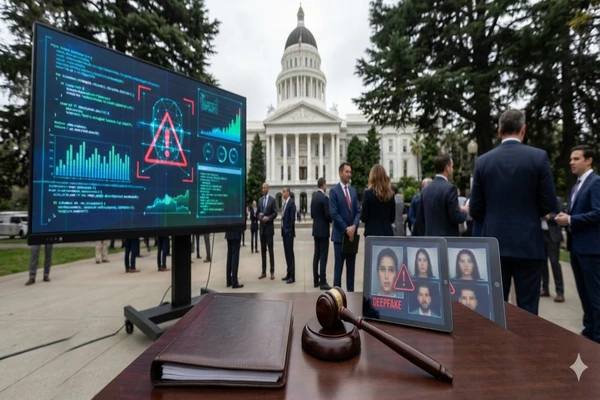
Experts warn that this case is not isolated. Similar Telegram channels and private forums across Europe have shared stolen or deepfake images, often under the shield of anonymity. The growing use of AI-based image generation has worsened the problem, making it easier to fabricate explicit content.
Analysts say this pattern represents a global epidemic of digital sexual violence—one that challenges legal frameworks and exposes the limitations of current technology governance.
Global Lessons and the Call for Reform
Although rooted in Italy, the Italian Facebook group controversy highlights a worldwide issue. Comparable abuses have surfaced in Latin America, Africa, and Asia, where victims often lack the legal means or support systems to seek justice.
Human rights advocates insist that major tech firms like Meta must implement universal content policies that swiftly remove exploitative material, rather than waiting for public outrage.
Women’s rights groups are now calling for cross-border collaboration and stronger international treaties to combat digital gender violence at scale.
A Wake-Up Call for Digital Accountability
The Italian Facebook group that shared intimate photos of women without consent has exposed deep flaws in how social media companies handle user safety and data protection.
While Meta ultimately took action, the delay allowed serious harm to spread unchecked. The scandal stands as a wake-up call for:
- Stronger global legislation to punish online sexual exploitation.
- Advanced AI safeguards to detect and remove NCII.
- Corporate responsibility from tech giants.
- Cultural reform to end the normalization of women’s objectification online.
Internal Links
- Stop Foreign Currency Cash Payments
- Judge Frank Caprio Dies at 88
- Ghana Cedi 2025: World’s Top Rising Currency