The Lingering Threat of Long COVID
The Long COVID Global Impact is no longer an afterthought of the pandemic but a central challenge to global health. Millions across continents continue to experience persistent symptoms that disrupt daily life, weaken economies, and overwhelm healthcare systems. While the acute phase of COVID-19 has passed, its long shadow lingers, leaving individuals and nations to grapple with a slow-moving but deeply entrenched public health crisis.
Understanding Long COVID
According to the World Health Organization (WHO) and Centers for Disease Control and Prevention (CDC), Long COVID—also known as post-acute sequelae of SARS-CoV-2 infection (PASC)—refers to symptoms lasting for at least three months after initial infection.
The most common reported symptoms include:
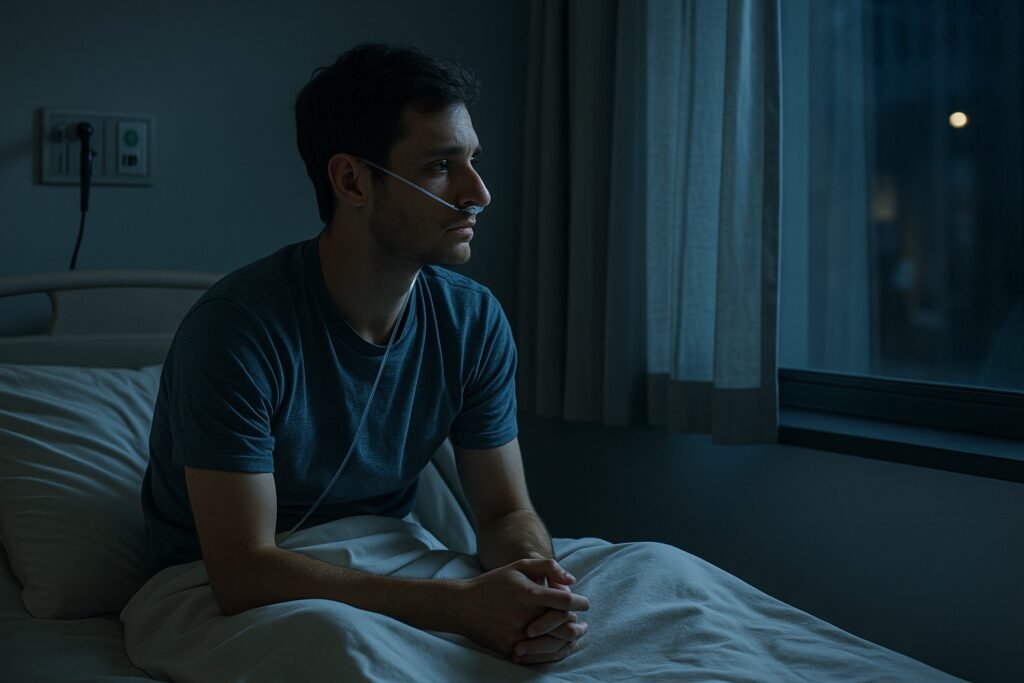
- Persistent fatigue and exhaustion
- Memory lapses and “brain fog”
- Difficulty breathing and reduced lung capacity
- Palpitations and cardiovascular strain
- Muscle and joint pain
Research published in the BMJ confirms that women under 50 and ethnic minorities are disproportionately affected, showing that the crisis is also an issue of health inequality.
A Global Symptom Burden
From Europe to Asia, North America, Africa, and Latin America, patients describe nearly identical struggles: relentless fatigue, confusion, and inability to return to pre-COVID lifestyles.
- In the United States, more than 16 million adults live with Long COVID symptoms, according to CDC estimates.
- Across the European Union, a joint survey found that up to 10% of previously infected individuals still struggle months later.
- In India, underfunded hospitals see waves of patients with unexplained long-term respiratory and neurological conditions.
- In Ghana and Nigeria, many sufferers remain undiagnosed due to limited testing capacity and stigma surrounding “invisible illnesses.”
These cases highlight how the Long COVID Global Impact is both universal and uneven—universal in its symptoms, but uneven in how different health systems are prepared to respond.
Pressure on Global Health Systems
Healthcare systems worldwide are experiencing unprecedented strain.
- United Kingdom: The NHS has established more than 80 dedicated Long COVID clinics, each serving thousands of patients.
- United States: Top medical centers like Mayo Clinic and Johns Hopkins run specialized rehabilitation programs.
- Developing countries: Ghana, India, and Brazil lack comparable infrastructure, leaving millions with no formal treatment options.
Without sustained funding, the Long COVID Global Impact could reverse decades of progress in healthcare access, particularly in low- and middle-income countries where resources are already stretched thin.
The Economic Fallout
The crisis is not just medical—it’s deeply economic.
- A U.S. labor study found that nearly 4 million people are unable to work because of Long COVID.
- In Europe, the European Commission warns of billions lost annually in sick leave and lost productivity.
- In Africa and Asia, workers in informal economies often have no safety nets, forcing families into deeper poverty.
The International Labour Organization (ILO) has warned that without intervention, the Long COVID Global Impactcould reduce GDP in vulnerable economies and worsen global inequality.
Rehabilitation and Recovery Programs
Recovery is often slow, requiring multi-disciplinary care. Programs around the world include:
- Physical therapy to restore mobility and stamina
- Cognitive retraining for patients with memory or focus issues
- Cardio-pulmonary rehabilitation for breathing capacity
South Korea funds national recovery programs; Norway offers social welfare protections; and Canada integrates Long COVID care into public health coverage. Ghana and India have launched pilot rehabilitation centers, but funding gaps leave thousands untreated.
Research and Global Innovation
Scientists are pushing innovation to better understand and treat Long COVID:
- Singapore: AI-driven diagnostics predict patient recovery timelines.
- Germany: Genomic studies explore genetic predisposition to Long COVID.
- United Kingdom & U.S.: NHS and Mayo Clinic use digital trackers to log symptoms and monitor progress.
Yet despite these advances, access remains unequal, raising concerns that innovations will remain concentrated in high-income nations while others struggle without solutions.
Reactions from Experts and Citizens
- Dr. Tedros Adhanom Ghebreyesus, WHO Director-General, said: “Long COVID is the next frontier in global health. We cannot allow it to deepen existing inequalities.”
- Patient voices: In Accra, Ghana, a 34-year-old teacher explained: “I beat COVID, but every day I feel like I am still fighting. Fatigue makes teaching almost impossible.”
- Policy reactions: In the U.S., disability advocates are lobbying for stronger protections, while Brazil’s Ministry of Health is calling for WHO-backed funding.
Global and Local Impact Beyond Healthcare
The Long COVID Global Impact is reshaping societies in ways that extend far beyond hospitals:
- Education: Teacher absenteeism and student dropouts are rising due to untreated Long COVID symptoms.
- Mental health: Patients face depression, isolation, and stigma, worsening already fragile mental health statistics worldwide.
- Economy: Productivity losses affect industries from manufacturing to IT, slowing post-pandemic recovery.
These ripple effects show why the issue has been reclassified by WHO as a global public health emergency.
What Governments and Citizens Can Do
To address the Long COVID Global Impact, global health authorities recommend:
- National strategies: Governments must create funded national Long COVID response plans.
- Public education campaigns: Reduce stigma and misinformation.
- Workplace protections: Disability rights, flexible hours, and remote work options.
- International cooperation: Equitable access to diagnostics, rehabilitation, and research.
Conclusion: A Crisis Demanding Urgency
The Long COVID Global Impact is no longer a hidden problem—it is a full-scale global emergency. Millions remain unable to work, study, or live normal lives. Without coordinated global action, the pandemic’s shadow will stretch across decades. Urgent investments in healthcare, rehabilitation, and research are the only way forward.
Internal Links
Ghanaian Doctors Mental Health Crisis: Substance Abuse and Burnout Exposed
HIV Protection Jab Price Cut to $40 for 120 Nations
External Links
World Health Organization (WHO) – Post COVID-19 Condition
Centers for Disease Control and Prevention (CDC) – Long COVID Basics