A New Flashpoint in Tech Power Politics
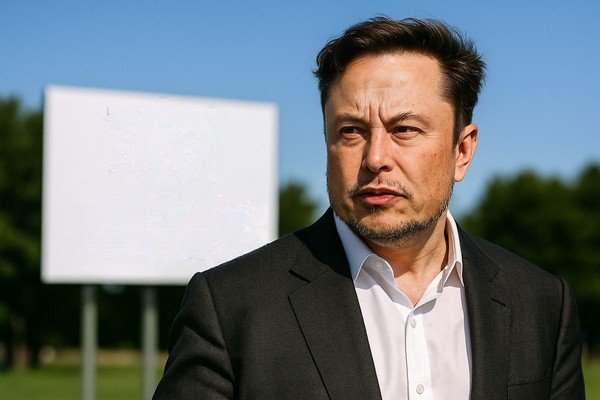
The Elon Musk Apple feud has erupted into a full-blown legal confrontation after Musk’s company, xAI, announced plans to sue Apple for alleged App Store favoritism toward OpenAI’s ChatGPT. The explosive accusation, shared in Musk’s latest posts on X, signals growing hostility between two technology titans and reignites a global debate about algorithmic fairness, competition, and platform power.
Musk contends that Apple’s App Store rankings consistently promote ChatGPT while burying Grok, xAI’s flagship AI chatbot. He argues that such practices distort competition and restrict consumer choice in a marketplace that can determine the fate of entire industries.
Background: How the Elon Musk Apple Rift Began
The Elon Musk Apple relationship has been strained for years. Musk has repeatedly criticized Apple’s 30% App Store commission, its privacy policies, and its collaboration with OpenAI. But this latest dispute cuts deeper — into how Apple allegedly curates and ranks AI applications on its platform.
In a fiery statement on X, Musk said:
“Apple is steering the market by promoting its preferred AI apps. Grok deserves the same visibility as ChatGPT — anything less is anti-competitive.”
This criticism aligns with long-standing developer concerns that Apple’s editorial lists and ranking algorithms can make or break apps overnight. According to Reuters, Apple’s “Featured Apps” and “Top Picks” sections can generate millions of downloads daily, effectively functioning as digital storefront billboards.
Critics now argue that Apple’s curation model amounts to market steering, especially when certain companies dominate entire categories like AI chatbots. The Elon Musk Apple conflict could therefore become a precedent for how platform bias is handled in the age of artificial intelligence.
Current Developments: xAI’s Legal Strategy
Sources close to xAI confirmed to Global Standard News that Musk’s legal team is preparing an antitrust complaintunder both U.S. and EU competition law. The case is expected to focus on Apple’s preferential treatment of select apps, opaque ranking systems, and editorial discretion that may disadvantage competitors.
Apple, for its part, maintains that App Store rankings are determined algorithmically and that editorial selections “help users discover the best and most trusted apps.” Yet Musk’s camp insists that Grok’s performance metrics — including active users, engagement time, and retention — prove it deserves fairer placement.
Industry analysts warn this could escalate into a landmark case testing whether digital platforms can be held accountable for algorithmic bias and self-preferencing.
“This isn’t just about downloads,” said policy analyst Rachel Morris. “It’s about whether a trillion-dollar platform can shape AI competition through opaque ranking decisions.”
If filed, the lawsuit could force Apple to reveal how its App Store algorithms weigh engagement, safety, and revenue — a level of transparency rarely seen in Silicon Valley.
Analysis: Why the Elon Musk Apple Feud Matters
The Elon Musk Apple standoff represents more than a personal rivalry — it exposes the fragile balance between innovation and gatekeeping in digital markets. Control over visibility is now as powerful as control over hardware or data.
Experts say that Apple’s dominance in app distribution gives it extraordinary influence over emerging technologies. A single editorial feature or omission can shift millions in ad spend, investor confidence, and public perception.
Tech analyst Claire Donovan told GSN:
“App discovery isn’t neutral. If one company controls both the storefront and the spotlight, it effectively dictates which ideas succeed.”
The case mirrors ongoing antitrust battles in both the European Union and the United States, where regulators are questioning whether Apple’s ecosystem suppresses competition. Musk’s challenge could reignite global scrutiny over digital platform accountability.
Reactions Across the Tech Industry
Reactions to the Elon Musk Apple legal threat have been polarized. Supporters praise Musk for challenging what they call App Store monopolization, while critics argue he’s leveraging controversy for publicity.
The Verge reported that xAI’s engineers have compiled data showing how Grok’s downloads drop sharply following Apple’s “featured” promotions for ChatGPT. Meanwhile, Apple has remained silent, declining to respond to direct media inquiries.
Dr. Helen Strauss, a digital competition expert, told Reuters:
“If Musk can demonstrate measurable harm caused by Apple’s editorial practices, this could open the floodgates for similar suits from smaller developers worldwide.”
Global Impact: From Silicon Valley to Brussels
The Elon Musk Apple clash also intersects with broader antitrust reforms around the world. In the European Union, the Digital Markets Act (DMA) already requires platform operators to ensure fair and non-discriminatory access. Apple’s practices could face additional EU scrutiny if Musk proceeds with his complaint.
In the United States, congressional committees have examined similar cases involving Amazon, Google, and Meta. Musk’s legal push may accelerate calls for app ecosystem transparency — an issue that regulators have struggled to enforce.
For smaller AI developers, this confrontation could be transformative. If Apple is forced to level its ranking systems, discoverability may become more merit-based, allowing independent innovators to compete with tech giants on a fairer footing.
What Grok Is — and Why Visibility Matters
At the heart of the Elon Musk Apple feud is Grok, xAI’s chatbot integrated with the X social platform. Designed to be witty, real-time, and conversational, Grok differentiates itself from ChatGPT’s structured tone. However, without top-tier App Store visibility, its reach remains limited.
“Visibility is the new currency,” noted TechCrunch columnist Amara Kline. “If your app isn’t highlighted in Apple’s top carousel or ‘Editor’s Choice,’ you might as well not exist.”
For Musk, ensuring Grok’s fair representation isn’t just a commercial goal — it’s a strategic statement about competition, innovation, and freedom in AI distribution.
Conclusion: The Future of the Elon Musk Apple Dispute
The Elon Musk Apple confrontation is shaping up as a defining moment in AI regulation and tech governance. Whether xAI files the lawsuit or not, Musk has succeeded in drawing global attention to the opaque power structures that shape app visibility.
As regulators, developers, and consumers watch closely, this dispute could set new benchmarks for fair competition, algorithmic transparency, and digital ethics. The world’s two most powerful tech figures are no longer just competing on innovation — they’re fighting over who controls the digital playing field itself.
Internal Links (GSN):
External Links:
Reuters — Musk says xAI will take legal action against Apple