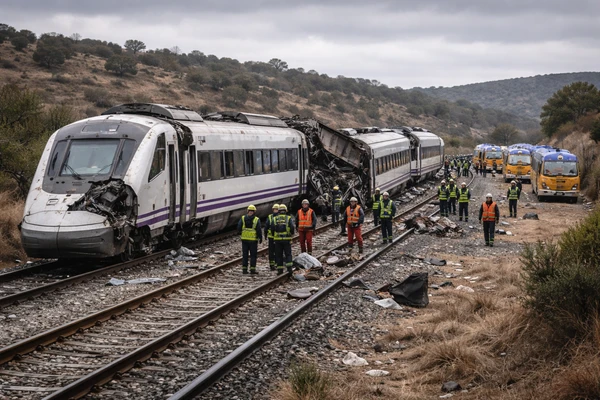
Ghana Road Safety Emergency Escalates
The Ghana Road Safety Emergency has emerged as one of the most urgent public safety crises of 2025. Official statistics reveal that 1,504 lives were lost on the nation’s roads between January and June, a 21.6% increase over the 1,237 deaths recorded in the same period in 2024. With nearly eight people dying daily, road fatalities have now surpassed Ghana’s cumulative COVID‑19 death toll of 1,462, placing the country in a state of high alert.
Road Safety Challenges in Ghana
For decades, Ghana has grappled with high traffic fatalities, despite policies and campaigns aimed at reducing road deaths. The National Road Safety Authority (NRSA) and the Motor Traffic and Transport Department (MTTD)were established to manage vehicle compliance, enforce traffic laws, and educate road users.
Between 2015 and 2024, annual road deaths fluctuated between 2,300 and 3,100, reflecting persistent gaps in infrastructure, law enforcement, and driver behavior. In 2023, the National Road Safety Strategy IV was launched to modernize enforcement, improve signage, and increase funding for road safety. However, delayed implementation has contributed to the current escalation of the Ghana Road Safety Emergency.
Current Developments: Alarming Surge in Road Accidents
Recent data from NRSA and MTTD highlights the severity of the crisis:
- 1,504 fatalities in the first six months of 2025.
- 8,364 injuries, a 16% increase compared to the previous year.
- 1,301 pedestrians knocked down.
- 7,289 crashes involving 12,354 vehicles, compared with 6,653 crashes and 11,283 vehicles in 2024.
Regional Hotspots: Areas Most Affected
Certain regions bear the brunt of the Ghana Road Safety Emergency, accounting for 70–75% of crashes and fatalities:
- Greater Accra: High-density traffic corridors and fast-moving vehicles.
- Ashanti: Second-largest vehicle population with heavy commercial traffic.
- Eastern: Notorious for sharp bends and overloaded transport vehicles.
- Western: Mining routes and industrial traffic hotspots.
Emergency responders in these regions report severe strain, and hospitals struggle to manage the high volume of accident victims.
Understanding the Drivers of the Crisis
Experts attribute the Ghana Road Safety Emergency to multiple systemic issues:
- Speeding: Continues to be the leading cause of fatal crashes, particularly among commercial drivers.
- Infrastructure deficiencies: Faded road markings, missing signs, and poor lighting in rural areas.
- Weak law enforcement: MTTD units remain understaffed and under-equipped, lacking radar guns, breathalyzers, and patrol vehicles.
- Vehicle maintenance failures: Over-aged, poorly maintained vehicles increase accident risk.
- Driver fatigue: Long-haul drivers on routes like Accra–Tamale are particularly vulnerable.
Human error is responsible for over 80% of all road accidents. Vulnerable groups, including pedestrians, schoolchildren, motorcycle riders, women, and infants, are disproportionately affected.
Policy Gaps and Government Response
Despite the alarming trend, government interventions remain insufficient:
- National Road Safety Strategy IV implementation lags behind schedule.
- A May 2025 audit by the Ghana Highway Authority found that over 60% of road signage is missing or damaged.
- Proposals for a dedicated Road Safety Fund remain pending in Parliament.
- Police MTTD units lack sufficient resources for effective enforcement.
Without immediate policy reinforcement and funding, the Ghana Road Safety Emergency is likely to intensify.
Public and Expert Reactions
Civil society organizations and social media activists have reignited campaigns such as #FixOurRoadsNow and #SpeedKillsGH. Prominent figures, including musician Sarkodie and TV presenter Berla Mundi, have publicly called for urgent government action.
Road safety expert Dr. Nana Ama Owusu-Afriyie warns:
“If this trend continues, Ghana could surpass 3,000 road deaths by the end of 2025, marking the deadliest year in the country’s transport history.”
Advocates emphasize the necessity of increased funding, law enforcement modernization, and comprehensive public awareness campaigns to curb the Ghana Road Safety Emergency.
Comparative Analysis: Ghana in Global Context
Ghana ranks poorly in the WHO Global Road Safety Report, with only 7.2 traffic enforcement officers per 100,000 vehicles — far below the African average.
Neighboring nations are taking more advanced measures:
- Rwanda: Digital ticketing systems for traffic violations.
- Morocco: Rigorous insurance audits and mandatory vehicle inspections.
The slow adoption of modern traffic enforcement technology and infrastructure upgrades contributes directly to the escalating Ghana Road Safety Emergency.
Economic and Social Implications
The ongoing Ghana Road Safety Emergency has far-reaching consequences:
- Economic: Families lose breadwinners, and healthcare costs for trauma management rise.
- Social: Vulnerable communities, especially children and pedestrians, face increased risk of injury or death.
- Institutional: Hospitals and emergency responders are overstretched, compromising care quality.
Without urgent intervention, these human and economic costs are expected to rise, further amplifying the crisis.
Five Urgent Measures to Address the Crisis
Experts recommend the following priority actions to mitigate the Ghana Road Safety Emergency:
- Enforce speed limits using smart cameras and mobile radar units.
- Upgrade road infrastructure with restored markings and visible signage nationwide.
- Fund and equip MTTD units with patrol vehicles, breathalyzers, and other enforcement tools.
- Revise licensing systems to reduce unqualified or incompetent drivers in public transport.
- Launch public education campaigns on social and mainstream media targeting drivers and pedestrians.
Implementing these measures could drastically reduce road fatalities and injuries in 2025 and beyond.
Urgent Call to Action
The Ghana Road Safety Emergency is now a full-blown public safety crisis. With fatalities exceeding 1,500 in just six months, comprehensive intervention is critical. Strengthened law enforcement, improved infrastructure, and sustained public awareness campaigns are essential to prevent Ghana from recording its deadliest year in road transport history.
Internal Links :
- Ghana Nigeria Protests 2025: Truth, Tensions & Regional Risks
- Kotoka Airport Firearms Seizure: Over 2,000 Rounds Found