Why the Global Stocks Drop Matters
Global Stocks Drop dramatically on Tuesday as financial markets across Asia, Europe, and the United States reacted to escalating geopolitical tensions and disappointing economic indicators. The MSCI World Index—a benchmark tracking international equities—slipped by 1.2%, sparking alarm among investors. The renewed standoff between Washington and Beijing, coupled with weaker consumer spending data, has triggered a wave of volatility not seen since early 2023.
For investors and policymakers alike, this global stocks drop is more than a correction—it represents a shift in confidence that could reshape the post-pandemic recovery path.
US-China Trade Tensions Resurface
One of the leading causes behind the global stocks drop is the resurgence of trade disputes between the world’s two largest economies. Reports suggest that negotiations have stalled once again, with both Washington and Beijing unwilling to compromise on tariffs, technology access, and national security concerns.
The diplomatic freeze has weighed heavily on global markets. Investors fear a return to the trade-war atmosphere that disrupted supply chains and slowed growth from 2018–2020. The uncertainty adds pressure on multinational corporations, particularly in manufacturing, technology, and energy sectors.
Related Reading: Impact of US-China Trade Wars on Global Markets
Weak Consumer Spending Data Shakes Confidence
Another factor fueling the global stocks drop is disappointing consumer spending data. Both the U.S. and China—two major drivers of global demand—reported weaker-than-expected retail sales.
In the U.S., retail sales rose only 0.2% compared to projections of 0.5%, while Chinese consumer spending contracted for the second month in a row. This is a red flag for economists who see consumption as a cornerstone of post-pandemic recovery. Lower demand suggests reduced output, weaker exports, and potential layoffs in key industries.
According to Reuters, “When consumer wallets tighten simultaneously in both the U.S. and China, ripple effects are felt worldwide.”
The MSCI World Index Slide
The MSCI World Index declining by 1.2% may seem modest in percentage terms, but its psychological impact is massive. The global benchmark reflects investor sentiment across developed and emerging markets. A downturn of this scale signals widespread anxiety, eroding the cautious optimism that had been building over recent quarters.
Major indexes mirrored the trend:
- Europe: FTSE 100 down 1.4%, DAX falling 1.6%
- Asia: Nikkei closed 1.1% lower, Hang Seng plunged 1.9%
- U.S.: S&P 500 down 1.3%, NASDAQ losing 1.5%
Each of these declines reinforces the narrative that the global stocks drop is systemic rather than isolated.
Investors Flock to Safe-Haven Assets
Whenever markets tumble, investors traditionally seek shelter in safe-haven assets. This week was no exception.
- Gold surged nearly 2% as traders hedged against risk.
- U.S. Treasuries saw yields decline, reflecting heightened demand.
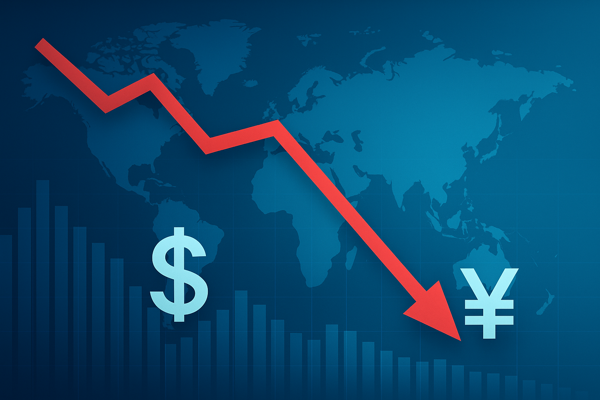
- Japanese Yen strengthened against major currencies, once again proving its resilience during global crises.
This shift away from equities toward defensive assets highlights the severity of investor concerns. The broader flight to safety suggests that portfolio managers expect turbulence to persist in the short to medium term.
Confidence Crisis Looms
Analysts at Bloomberg and Barclays Capital warn that the global stocks drop could be more than just a short-term setback.
“This isn’t just a market correction—it’s a crisis of confidence,” said Dr. Sarah Liu, global strategist at Barclays. “Unless central banks and governments provide clear signals soon, recession risks will rise sharply.”
Other economists argue that monetary policy fatigue is setting in. With interest rates already high across most developed economies, central banks have limited room to stimulate growth. Fiscal policies are also constrained by mounting public debt.
Broader Economic Impact of the Global Stocks Drop
The global stocks drop has not only shaken equity markets but also spilled into currencies and commodities.
- Currencies: The euro weakened slightly against the U.S. dollar, while emerging market currencies such as the Brazilian real and Indian rupee experienced sharper declines.
- Oil Prices: Brent crude fell by 1.8%, reflecting fears of declining industrial demand.
- Emerging Markets: Capital outflows accelerated, adding pressure to already fragile economies in Africa, Latin America, and Southeast Asia.
This cross-market contagion reinforces the interconnected nature of the global economy. A shock in one sector quickly ripples into others, amplifying the overall effect of the global stocks drop.
Geopolitical Risks Compounding the Problem
The global stocks drop is not happening in isolation. Other geopolitical flashpoints are adding to investor anxiety:
- Rising tensions in the South China Sea
- The ongoing war in Ukraine
- Uncertainty surrounding Middle East oil supply
- U.S. political gridlock ahead of upcoming elections
Each of these risks compounds the fragile investor mood. When combined with weak economic indicators, they create an environment where volatility thrives.
What’s Next for Investors?
Looking ahead, market participants will closely monitor several key events:
- Federal Reserve Meeting Next Week – Any hint of policy change could sway global sentiment.
- China’s Manufacturing PMI Data – A positive surprise may restore some optimism, while another contraction would deepen fears.
- Global Inflation Reports – Due at the end of the month, these will influence central bank policies across Europe, Asia, and North America.
Financial advisors recommend that investors adopt a diversified approach, balancing exposure to equities with bonds, commodities, and alternative assets. Risk management strategies—such as stop-loss orders and hedging—are becoming increasingly essential.
Conclusion: Navigating a Volatile Future
The latest global stocks drop highlights the fragile state of the world economy. With trade tensions, weak consumer spending, and geopolitical uncertainty converging, markets are facing a confidence crisis.
Investors should prepare for prolonged volatility. While some may view this as a buying opportunity in undervalued sectors, the broader outlook remains cautious. Policymakers, meanwhile, face mounting pressure to restore confidence through clear communication and coordinated action.
Until clarity emerges, the phrase “Global Stocks Drop” will likely remain a recurring headline, shaping economic narratives and investor strategies worldwide.
Internal Links:
- AI Antibiotic Breakthrough: New Solutions for Gonorrhoea & MRSA
- Darwin Núñez Transfer: Liverpool Agree £46m Deal with Al-Hilal